EES hit travel harder than the Iran war, and €20 ETIAS still has no launch date
Tour operators say EES hit travel harder than the Iran war, while the €20 ETIAS still has no launch date. What Ukrainian and UK travellers should do in 2027.
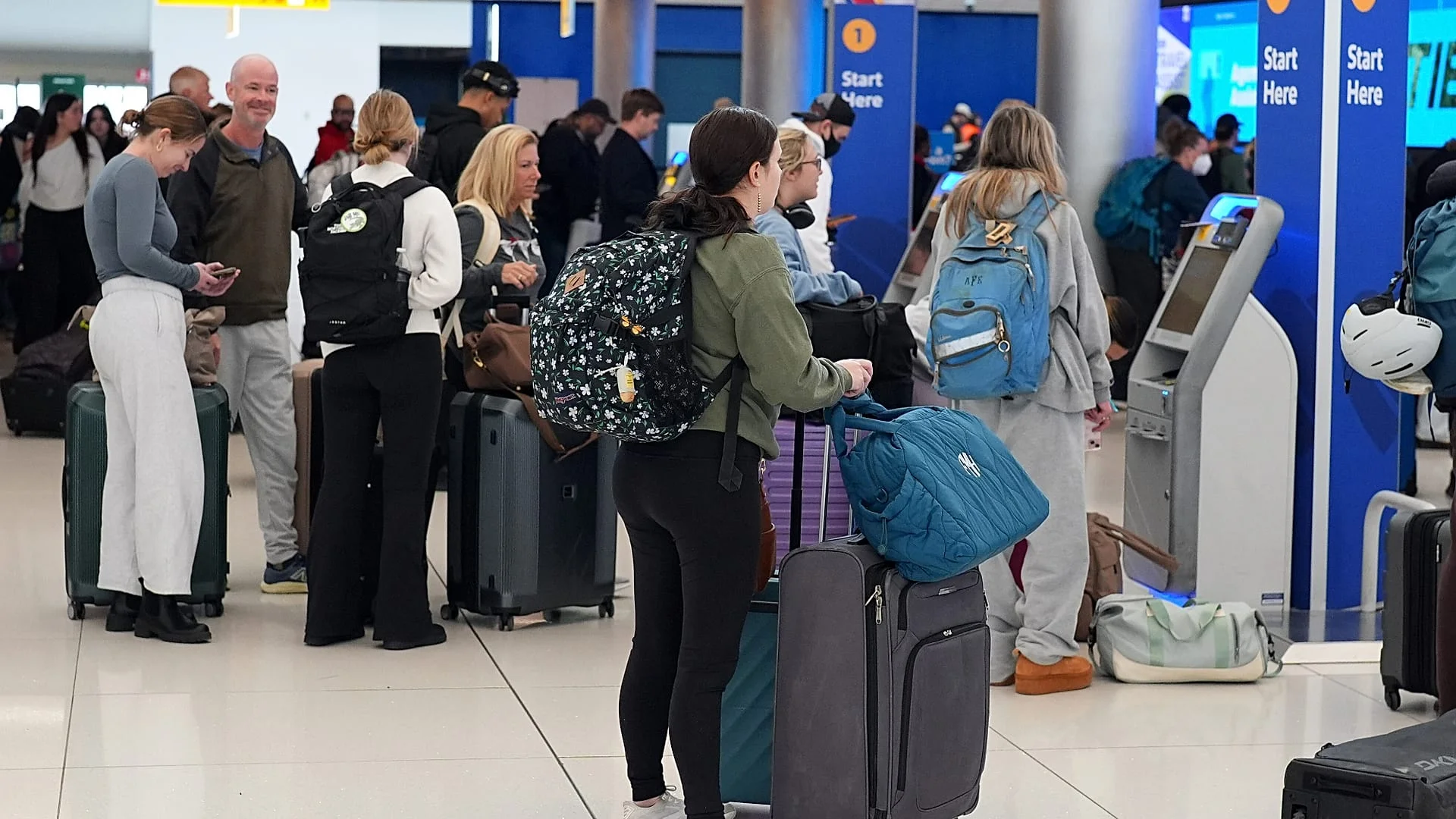
In short: The EU's Entry/Exit System (EES), fully running at every external Schengen border since 10 April 2026, has hit travel harder this year than the US war on Iran, according to British tour operators. ETIAS, the €20 travel authorisation for nationals of 59 visa-free countries including Ukraine, still has no launch date; the EU agency eu-LISA calls it "a major focus for 2027". Ukrainians with temporary protection in the EU are exempt from both EES and ETIAS.
Why do tour operators and airlines say EES hurt travel more than the Iran war?
The complaints came at Abta's Travel Regulations Conference and the Airlines UK conference in London, Travel Weekly reported on 25 November. Sunvil Group managing director Chris Wright said: "We underestimated the implementation of EES and the impact it would have on our older client base." His own parents asked whether they should postpone a trip. His verdict: "EES has had more impact than the war did."
Airline bosses went further. Tui chief operating officer Tilman Reinshagen said passengers standing on the tarmac was "unacceptable" and warned that another summer like this one might deter people from travelling. Ryanair COO Neal McMahon called the system "ill-thought out and rushed" and said that when the airline asked Italian officials why it worked there, they replied: "We don't turn it on." EasyJet chief executive Kenton Jarvis said EES "works when it's switched off and doesn't when switched on". Phil Douglas, director general of UK Border Force, said the European Commission insists it is working fine, "[but] it clearly isn't".
The trouble started in the summer. In early July, airports body ACI Europe, Airlines for Europe and IATA wrote to Ursula von der Leyen about border queues of up to five hours at peak times. The temporary flexibility that let countries partly suspend EES registrations ran out in early September. Consumer group Which? lists Alicante, Malaga, Palma, Tenerife South, Schiphol, Berlin and Krakow among the airports with the worst queues and cites a Frontex warning that disruption could last up to two years.
What is EES and who has to register?
EES replaces passport stamps with a digital record. On their first crossing of an external Schengen border, non-EU nationals on a short stay (up to 90 days in any 180) give fingerprints and a facial image. After that the system logs every entry and exit. That covers British travellers and Ukrainians with biometric passports visiting as tourists.
Holders of Schengen residence permits or long-stay visas are not registered, nor are non-EU family members of EU citizens with a residence card. The European Commission and the EU Delegation to Ukraine also state that people under temporary protection are not subject to EES or ETIAS registration, though they need to show proof of their status at the border.
When will ETIAS start and how much will it cost?
No date has been set. The official EU travel site says the system "is currently not in operation", no applications are being collected, and the start date will be announced several months in advance. As late as April the Commission still said ETIAS would launch in the last quarter of 2026, but that wording was later removed. On 19 October, after a management retreat in Tallinn, eu-LISA said "a major focus for 2027 will be" ETIAS. That is a priority, not a launch date.
The fee will be €20, up from the €7 originally set in law. An authorisation will last three years or until the passport expires, whichever comes first. Under-18s and over-70s will not pay but must still apply. Most applications should be decided within minutes, though some may take up to four days. After launch there will be a six-month transition in which nobody is refused entry solely for lacking ETIAS, followed by a six-month grace period for first-time arrivals.
What should travellers do in 2027?
- Ukrainian tourists: allow extra time at the border on your first trip under EES and watch for the official ETIAS announcement. There is nowhere to apply yet, so ignore websites offering to "process" ETIAS for a fee.
- Ukrainians with temporary protection: carry proof of your status. Temporary protection has been extended to 4 March 2027, so keep an eye on decisions about what comes next.
- British and other visa-free travellers: get to the airport as early as you can, especially for the flight home, and head straight to passport control after security.
- EU citizens: nothing changes for you, but shared queues can still hold you up.
FAQ
Do Ukrainians need ETIAS?
Yes. Once the system launches, Ukrainian citizens travelling visa-free to Schengen for short stays will need ETIAS. Holders of temporary protection or EU residence permits are exempt.
Can I apply for ETIAS now?
No. As of late November 2026 the system is not running and no applications are accepted. The EU will announce the start date several months ahead.
Do I have to register with EES every time?
No. Fingerprints and a photo are taken at first registration; on later crossings a face or fingerprint check is usually enough.
Share
Read next
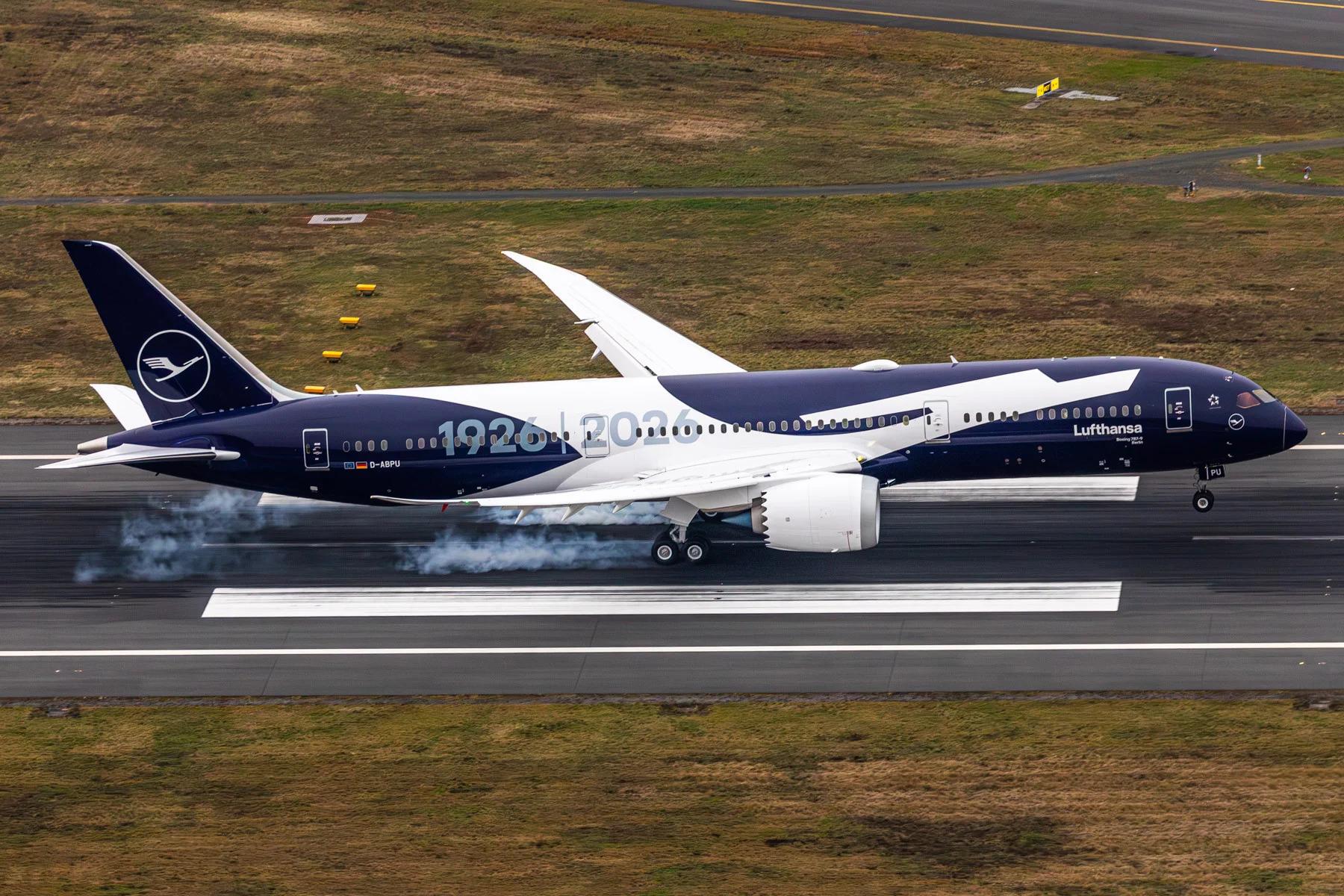
Lufthansa pilots strike threat: union ends pay deal ahead of Christmas
A Lufthansa pilots strike is possible again: Vereinigung Cockpit ended the pay deal for 5,000 pilots. What it means for Frankfurt and Munich flyers.

London, Paris and Edinburgh top Europe's Christmas and New Year cities
Europe's top 10 cities for Christmas and New Year by TUI Musement search data: London, Paris, Edinburgh, Vienna, Strasbourg. 2026 market dates, pros, cons.
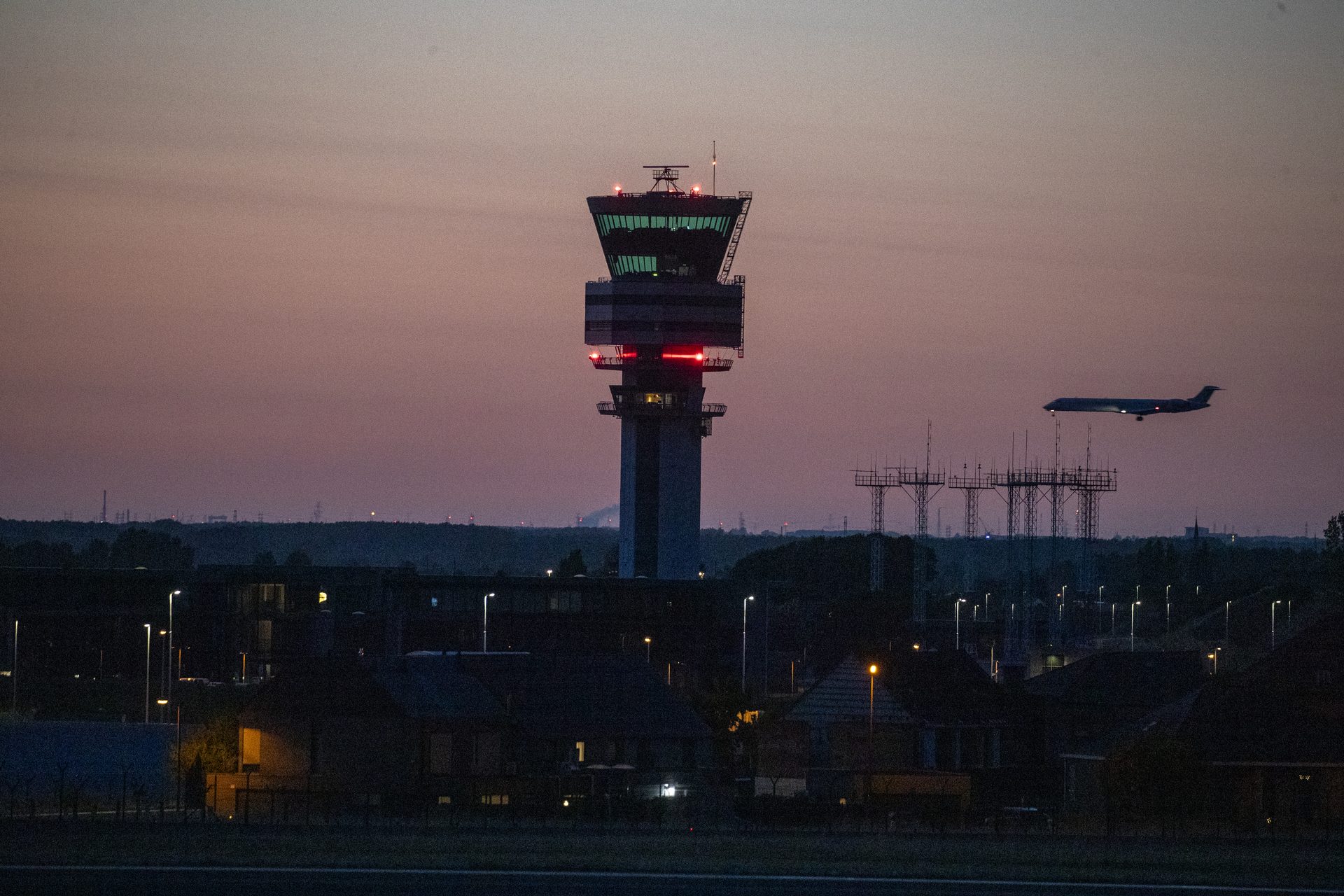
Belgian air traffic control strike: more walkouts possible from Dec 9
Belgian air traffic control strike: Brussels cancelled 404 flights on 23 November, new skeyes walkouts possible 9 Dec to 9 Jan. EU261 rights and tips.
Comments 0
No comments yet. Be the first!