McKinsey: $2.7 Trillion Wellness Market, 28% of Gen Z Biohacking
McKinsey's Future of Wellness 2027 values the wellness market at $2.7 trillion: 28% of Gen Z biohack, and buyers now demand proof that products work.
In short: McKinsey now sizes the global wellness market at $2.7 trillion and finds that shoppers increasingly want proof that products work: effectiveness ranks level with price as the top buying factor. 18% of consumers are actively biohacking, rising to 28% among Gen Z, and about 40% say the market still falls short on longevity, mental health and mobility.
The Future of Wellness 2027 report, published on November 3, 2026, is the fifth edition of the series, co-authored by McKinsey partner Anna Pione among others. The firm surveyed more than 10,000 consumers in the US, the UK, Germany and China. The US market alone is put at more than $700 billion, growing 5 to 10% a year. The new global figure is not directly comparable with last year's $2 trillion estimate, because McKinsey widened the categories it counts.
Why are wellness consumers demanding proof?
American respondents rank effectiveness alongside price, with quality close behind. The most engaged buyers, whom McKinsey calls "maximalist optimizers" and "confident enthusiasts", put effectiveness and quality ahead of cost. Together these two groups are 35% of wellness consumers but 55% of spending, and for both a clear ingredient label is a top-five factor when choosing vitamins, supplements and over-the-counter products.
The authors say one reason gaps persist is that "the bar for what consumers consider effective keeps rising." In a separate McKinsey Health Institute survey of New Yorkers, high-spending consumers were 11 percentage points more likely to say they would buy a longevity product when shown evidence that it works. That measures purchase intent, not whether the products themselves are clinically effective.
Brands are leaning hard on health messaging. Through September 2026, a third of new US packaged goods launches carried at least one wellness claim, up from 24% in 2021. Speaking to Glossy, Pione said brands that explain their credibility, especially their scientific backing, will see a "huge" advantage.
Who is biohacking, and what is "maxxing"?
McKinsey lists biohacking, meaning active practices to optimize one's health, among its emerging trends. 18% of respondents do it, and among Gen Z the share reaches 28%. According to the report, 6% have tried peptide injections. The authors also track "maxxing": more consumers than in the previous survey plan to increase their intake of protein, creatine and fiber over the next year.
Which wellness categories are growing fastest?
- The GLP-1 ecosystem. Among GLP-1 users, 35% eat more protein, 19% have added supplements and 18% have taken up strength training. Adjacent markets, from food to aesthetics, are expanding around the drugs.
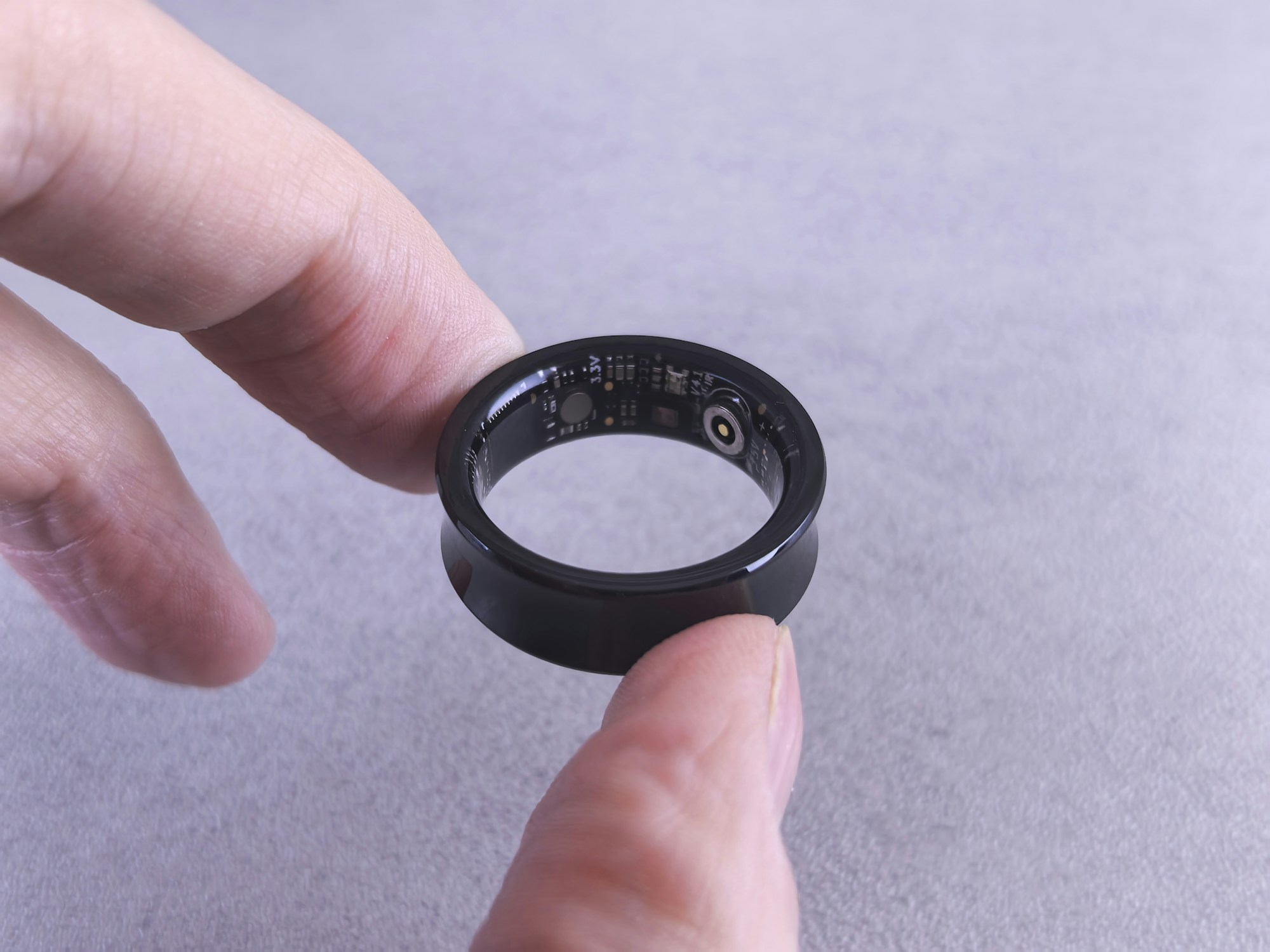
- Wearables. US adoption of wellness-first devices such as smart rings holds steady at about 29%, and up to half of users pay for premium services like biomarker testing.
- Recovery. Cold plunges, contrast therapy and social saunas are on the rise. 34% of German consumers have tried saunas and bathhouses, against 18% in the US.
- Diagnostics. At-home lab kits, advanced imaging and biomarker panels. More than half of recent buyers plan to spend more.
Wellness is also becoming part of who people are. Two in three Americans say they prioritize it more than a year ago, and more than 40% would "do whatever it takes to live as long as possible." The sharpest shift is among baby boomers: the share calling wellness a priority rose 11 points to 49%.
Who do people trust for wellness advice?
US consumers lean most on friends and family (35%) and healthcare practitioners (30%). YouTube shapes 16% of purchases, medical experts on social media 14%, influencers 9% and AI chatbots 8%. More than half of respondents already use AI for wellness, yet 40% of Americans worry its advice may be inaccurate. Investors are paying attention too: the six largest health and wellness deals since 2021 total nearly $89 billion, and all were announced or closed in 2025 or later.
FAQ
How big is the global wellness market?
McKinsey estimates $2.7 trillion, including more than $700 billion in the US.
How many Gen Z consumers are biohacking?
28% of Gen Z respondents, compared with 18% of all consumers surveyed.
What matters most when people buy wellness products?
Effectiveness and price tie for first place among US consumers, followed by quality.
Share
Read next

Ukraine's main Christmas tree 2026: 18 metres, lit on 6 December
Ukraine's main Christmas tree 2026 on Sofiiska Square will be 18 metres tall, built from 3,000 branches and lit on 6 December, funded by patrons.

Beaded tinsel: the vintage Christmas tree trend you can make in an evening
Beaded tinsel is the vintage Christmas tree trend taking over Instagram and TikTok. Where it came from, what it costs and how to make your own in an evening.

64% of Ukrainians Don't Trust Black Friday Discounts: Viber Poll
Black Friday 2026: 64% of Ukrainians don't trust the discounts, a Viber poll shows. What shoppers will buy on November 27 and how to spot a fake deal.
Comments 0
No comments yet. Be the first!