Tidal bans AI-generated music and will delete 29 million tracks
Tidal bans fully AI-generated music: 29 million tracks go from December 9, up to 85,000 a day rejected. What changes, and how Spotify and Deezer compare.
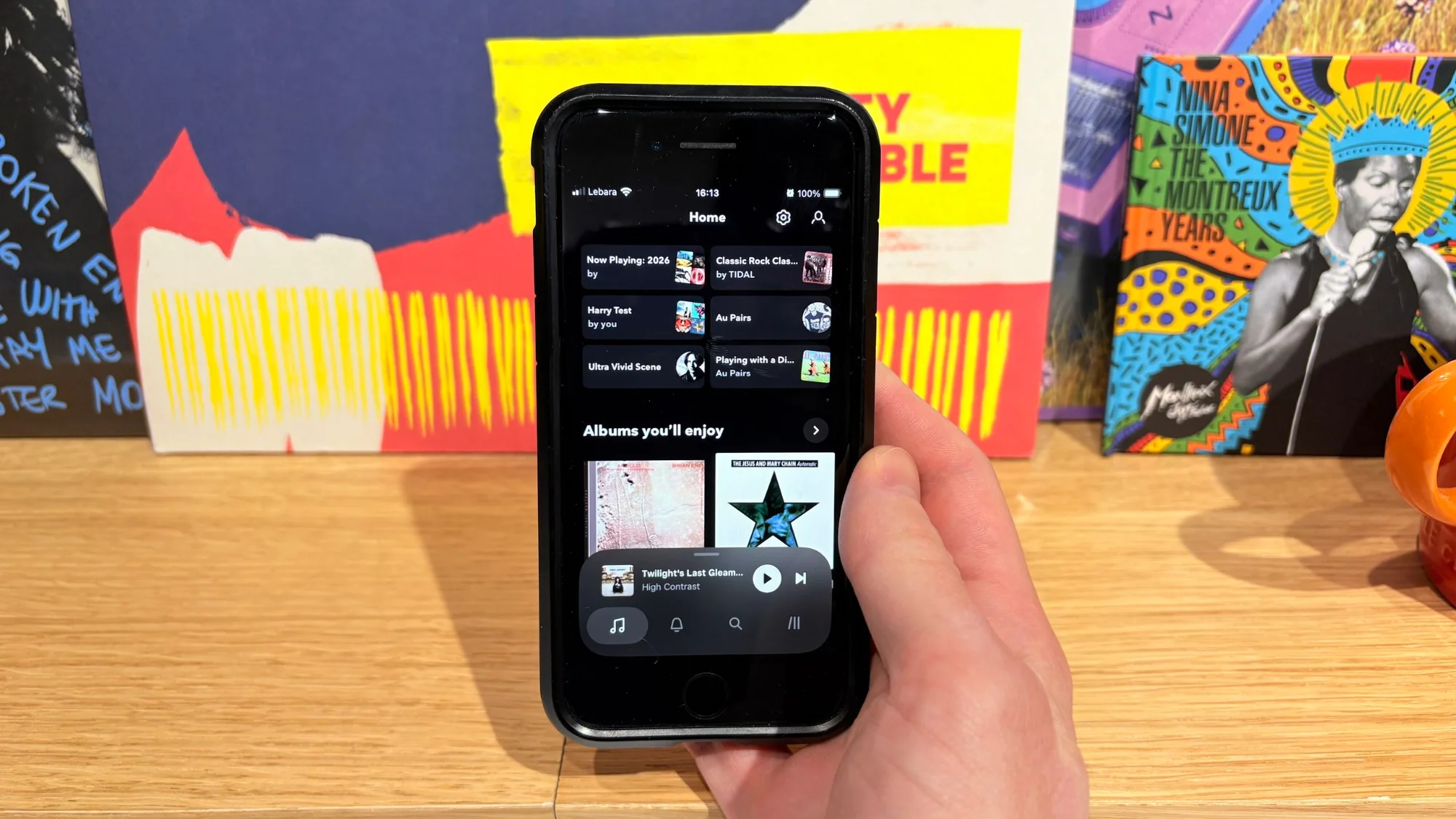
In short: Starting December 9, Tidal will delete every fully AI-generated track from its catalog and stop accepting them from distributors. Tidal chief Robert Andersen puts the purge at 29 million songs, with an estimated 80,000 to 85,000 AI tracks rejected every day. Music made by people with the help of AI tools stays.
What is Tidal deleting, and when does the AI music ban start?
Tidal, owned by Block, posted the announcement on X on November 24 under the headline "Tidal Is Deleting, Rejecting, and Banning Fully AI-Generated Music." A follow-up post read: "Bye AI music. Starting December 9." The company expects the cleanup to be finished by early 2027.
The new rules have three parts:
- existing tracks generated entirely by AI will be deleted;
- distributors may no longer deliver such recordings;
- releases whose metadata says they were made solely with AI tools are rejected at intake.
Andersen, who runs Tidal inside Block, wrote in his thread that the move "will result in the deletion of 29 million songs, and the estimated rejection of 80-85,000 songs per day." Tidal's own published figures show a slightly lower number: about 27 million tracks, or 6.3% of the catalog, are already tagged as fully AI-generated. The company has not explained the 2 million gap, which most likely reflects newer deliveries.
How much AI-generated music is being uploaded to Tidal?
According to Tidal, 43% of all tracks delivered over the past 90 days were detected as wholly AI-generated. The peak came on November 6, when more than 60% of deliveries were synthetic. Almost nobody listens to them: 96% of the tagged tracks got zero streams in the last three months.
Hypebot reports that 94% of the tagged tracks came from Suno, while Forbes names Suno and Google's Lyria as major sources of the flood.
"If you make music, you should be able to put it on TIDAL knowing it won't be buried under tracks no one asked for," Andersen said. He also called Tidal the first streaming service to take this step: "We are the first DSP to do so, and we encourage our peers to follow suit."
Can you still upload AI-assisted music to Tidal?
Yes, as long as AI was a tool and not the author. Stem separation, mixing and other production tasks done with AI are not affected. Only recordings produced entirely by a generator are removed.
Detection is handled by Ircam Amplify, the commercial arm of the French research institute IRCAM. The company claims its detector identifies output from Suno, Udio, Sonauto and ElevenLabs with 99% accuracy. Tidal's own terms admit the tools can mislabel tracks, so artists can contact support to dispute a tag.
The deletion builds on Tidal's summer policy, announced June 29 and in force from July 15: fully AI-generated tracks got an "AI" badge, were cut off from royalties and could not be sold directly to fans. Tidal also began automatically removing tracks impersonating real artists, more than 65,000 so far. Demonetization was not enough, the new statement says: "We think a more drastic change is in order."
How do Spotify, Apple Music and Deezer handle AI-generated songs?
The biggest rivals still rely on filters and labels rather than outright removal.
- Deezer became the first platform to tag AI tracks in June 2025. In April 2026 it said AI music made up 44% of new uploads, about 75,000 tracks a day, and by summer the share passed half. Those tracks draw only 1–3% of streams, and Deezer flags up to 85% of those streams as fraudulent and demonetizes them. Tagged tracks are kept out of algorithmic recommendations and editorial playlists but stay on the service.
- Spotify has removed more than 75 million spammy tracks over 12 months and is testing AI disclosures through DDEX credits. Its executives have said they do not plan to remove AI-generated music.
- Apple Music made transparency tags a delivery requirement for labels and distributors in March.
The closest precedent is Bandcamp, which, according to Forbes, banned music made wholly or substantially with AI in January. Bandcamp, though, is a storefront for artists rather than a subscription streaming service.
FAQ
When will Tidal start removing AI-generated tracks?
Deletions and rejections of new deliveries begin on December 9, 2026. Tidal expects the catalog cleanup to be complete by early 2027.
Will songs that used AI only for mixing or vocal processing disappear?
No. The ban covers only recordings generated entirely by AI. Human-made music produced with AI tools stays on the platform.
What if a human artist's track is wrongly flagged as AI?
Tidal acknowledges that detection can make mistakes and lets artists dispute a label through customer support.
Share
Read next

Backstreet Boys Bring Into the Millennium to Europe: 12 Shows in 2027
Backstreet Boys bring Into the Millennium to Europe in 2027: 12 shows in London, Vienna, Berlin and Munich. Presale opens Dec 1, general sale on Dec 4.

‘Ugg-gate’: Vanity Fair’s Taylor Swift exposé meets a wall of memes
Vanity Fair's "The Mastermind" digs into Taylor Swift's school years. Why the Ugg boots anecdote became a meme and how Variety, fans and a classmate responded.

Coachella 2027 Lineup: The 10 Biggest Names, From Dua Lipa to SZA
Coachella 2027 lineup: Dua Lipa, Tame Impala, SZA and Daddy Yankee lead, with Madonna, Jisoo and Robyn below. Dates, ticket prices and Drake's reaction.
Comments 0
No comments yet. Be the first!