Carrotmaxxing: TikTok eats carrots for a tan. Why it is not SPF
Carrotmaxxing on TikTok: people eat carrots, tomatoes and shrimp for a winter tan. Dermatologists explain why carotene glow does not replace SPF.
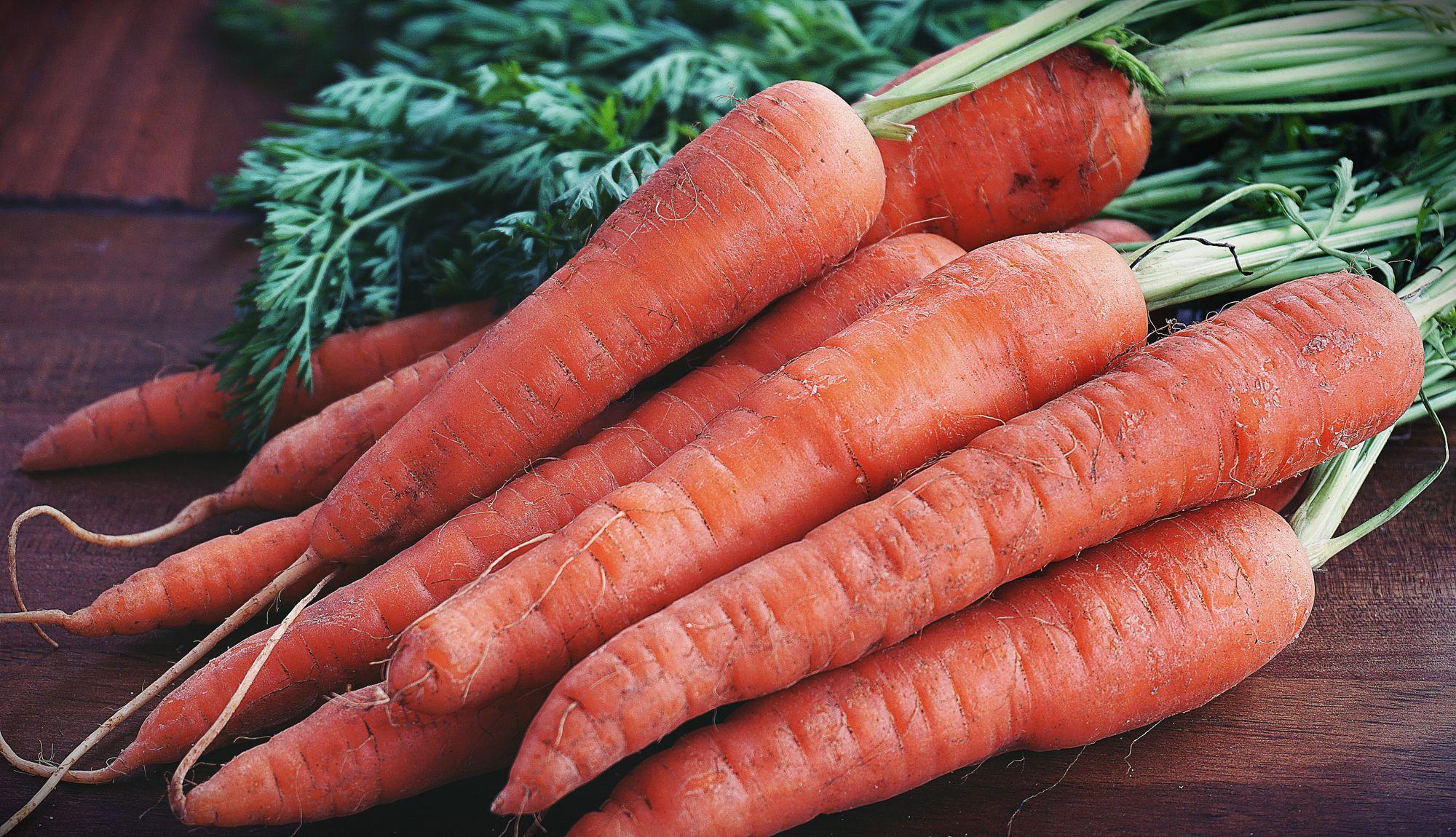
In short: carrotmaxxing only half works. Carotenoids from carrots, tomatoes and shrimp can tint the skin yellow-orange within a few weeks, but that is neither a tan nor sun protection. Dermatologists stress that a "carrot glow" is no substitute for sunscreen, and high-dose beta-carotene pills carry a known risk for smokers.
What is carrotmaxxing and where did the trend come from?
Carrotmaxxing, tomatomaxxing and shrimpmaxxing are the latest offshoots of the online "maxxing" craze, where people push their looks as far as they will go. The method is simple: eat large amounts of carotenoid-rich food, or take carotenoid supplements, to look bronzed without sun or sunbeds. With summer tans fading, the idea has found a winter audience.
The New York Post covered the trend on 13 November, and Fox News picked it up on 22 November. According to those reports, one TikTok creator has been eating three to four large carrots a day for months. Wellness influencer Lee Tilghman Pollis said in a May Instagram video that she eats "one, two, maybe three carrots per day" and credited raw carrots with "the best skin of my life." Two friends in Atlanta skip the vegetables altogether and take a daily capsule that combines three pigments.
Do carrots really change your skin colour?
They can, though the effect is subtler and different from what the videos suggest. Beta-carotene (carrots, squash, apricots), lycopene (tomatoes, watermelon) and astaxanthin (shrimp, salmon) are fat-soluble and build up in the outer layer of the skin. New York dermatologist Dr. Navin Arora of Borealis Dermatology told Fox News Digital that the result is a yellow or orange tint that tends to show first on the palms, the soles and around the nose. Doctors call it carotenemia.
The science behind the trend comes largely from David Perrett's group at the University of St Andrews. In a 2012 PLoS ONE study, the team tracked the skin colour of 35 students for six weeks. Diet-linked changes were measurable at six weeks but not at three. About 2.9 extra portions of fruit and vegetables a day were enough for observers to rate faces as healthier, and about 3.3 portions to rate them as more attractive. Arora notes there is no reliable cosmetic dose, and the colour fades once people go back to their usual diet.
Does beta-carotene protect against the sun, and can you skip SPF?
No. This is the point dermatologists keep returning to. Unlike a real tan, carotenoid colour is not a sign of UV damage, but it also offers no meaningful protection from UV rays, which still drive premature ageing and skin cancer. "'Carrot color' is not a substitute for sunscreen," Arora said. A daily broad-spectrum sunscreen of SPF 30 or higher is still needed, winter included.
For anyone who wants a bronzed look, he suggests self-tanner, a professional spray tan, bronzer or a tinted sunscreen. The vegetables themselves are good for you, so in Arora's words, "treat the glow as a bonus, not the goal."
Are beta-carotene supplements dangerous?
Carotenemia from food is generally harmless. High-dose pills are another matter. The US National Institutes of Health's Office of Dietary Supplements links them to a higher risk of lung cancer in current and former smokers. That warning rests on two large trials from the 1990s. In Finland's ATBC study, 29,133 male smokers took 20 mg of beta-carotene a day and developed lung cancer about 18% more often than the placebo group. In the US CARET trial, more than 18,000 smokers and asbestos-exposed workers took 30 mg of beta-carotene plus vitamin A; lung cancer incidence rose by 28%, and the intervention was stopped early.
Arora adds one more caution: yellow-orange skin that appears without an obvious change in diet should be checked by a doctor, because it can point to other conditions.
FAQ
How many carrots does it take to change your skin colour?
There is no set amount. In the St Andrews study, visible changes appeared after about six weeks when people added roughly three portions of fruit and vegetables a day.
Can I skip sunscreen if my skin already has a carrot glow?
No. Dermatologists say carotenoids give no meaningful UV protection, so a daily SPF 30+ is still essential.
Is carotenemia harmful?
From food it is usually harmless and fades after a change in diet. The risks come from high-dose beta-carotene supplements, especially for smokers and former smokers.
Share
Read next

Prada Piano at King's Cross: 20,000 free Paradigme Le Parfum samples
Prada Piano lands at King's Cross on 28 November with 20,000 free Paradigme Le Parfum samples, Tom Holland's scent, and a secret VIP performer.
TikTok's Gelatin "Natural Botox" Bars: Why Dermatologists Push Back
TikTok calls homemade gelatin bars "natural Botox." Dermatologists explain why they won't fight wrinkles and what collagen research actually shows.
Top 8 Beauty Launches of November 2026: Kayali to Westman Atelier
November 2026 beauty launches ranked: Kayali's $105 vanilla, Westman Atelier's palette, Balmain, Orebella, Eve Lom and more, with prices and formulas.
Comments 0
No comments yet. Be the first!