TikTok's Gelatin "Natural Botox" Bars: Why Dermatologists Push Back
TikTok calls homemade gelatin bars "natural Botox." Dermatologists explain why they won't fight wrinkles and what collagen research actually shows.
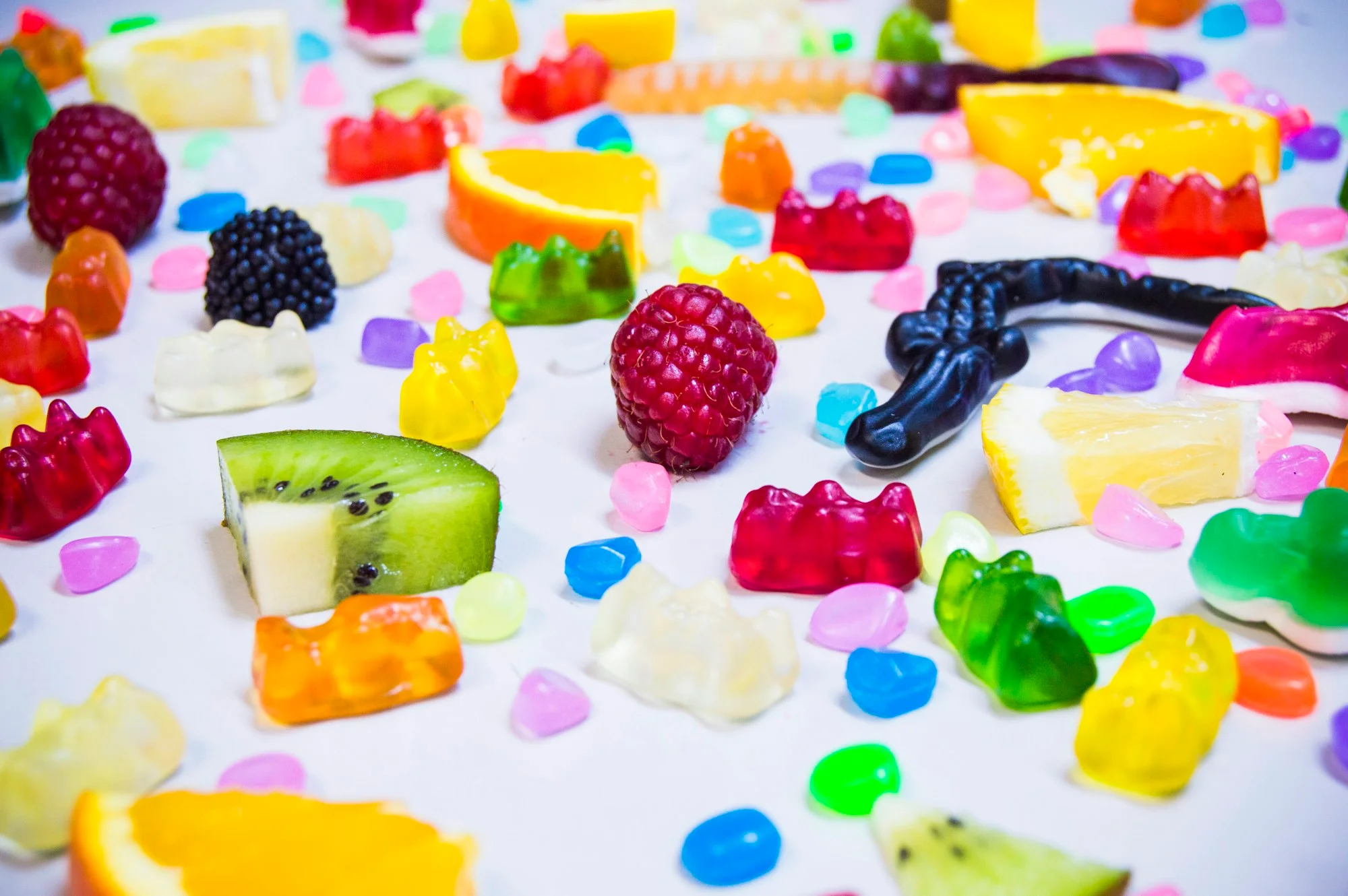
In short: TikTok creators are making homemade gelatin bars with juice and fruit and calling them "natural Botox." Dermatologists say the bars are a fine snack but not an anti-aging treatment, and the strongest studies of collagen supplements find no measurable skin benefit.
What is the TikTok "natural Botox" gelatin trend?
The recipe is short: unflavored beef gelatin powder, cold water, fruit juice and chunks of fresh fruit, sometimes finished with honey or a sprinkle of Tajín. The mix sets in the fridge, gets cut into bars and is eaten daily in the hope of tighter, brighter skin. Filed under the "eat your skincare" banner, the videos picked up steam this autumn, and on November 16 Coveteur ran a piece by Jordan Rossman asking two dermatologists what they make of it.
The idea has been around for months. In late July, WWD covered author and creator Mariana Smith's "homemade Botox," made with flavorless gelatin, clove tea and fruit. Smith said her skin looked firmer, while crediting a whole routine alongside it: exercise, water, sunscreen and sleep.
Do gelatin bars actually reduce wrinkles?
New York dermatologist Pearl Ugwu-Dike, who trained at Harvard and NYU, keeps it measured. "I don't think there's anything inherently wrong with enjoying them," she told Coveteur. "But I wouldn't prescribe them as an anti-aging intervention."
The name itself is the biggest problem. Botulinum toxin temporarily relaxes specific facial muscles that cause expression lines, and no food works that way. Dr. Carol Eisenstat, founder of Line Eraser MD, called the label medically inaccurate and compared it to calling a smoothie "natural liposuction." Dermatologist Nicole Lee told WWD that gelatin does contain amino acids, but digestion breaks them down long before they could reach the skin.
What does the research say about collagen and gelatin?
Gelatin is essentially cooked collagen, so fans of the bars lean on collagen supplement research. That evidence is mixed. A 2021 meta-analysis in the International Journal of Dermatology pooled 19 randomized, double-blind trials with 1,125 participants aged 20 to 70, 95% of them women, and reported better hydration, elasticity and wrinkle scores.
In 2025, Korean researchers Seung-Kwon Myung and Yunseo Park published a larger review in The American Journal of Medicine covering 23 randomized trials and 1,474 people. The pooled numbers again looked positive, until the authors split them up. Trials without supplement industry funding showed no effect on hydration, elasticity or wrinkles, and neither did the highest-quality studies. Their conclusion: there is no clinical evidence that collagen supplements prevent or treat skin aging. Industry groups, including the gelatin makers' association GROW, have challenged the methods, so the debate is not settled.
Even the favorable trials mostly tested hydrolyzed collagen peptides at set doses, not dessert-style gelatin. Eisenstat also points out that those studies tend to be short, unstandardized and often industry-funded.
What should you eat for healthier skin instead?
Both dermatologists in the Coveteur piece point to the overall diet. Ugwu-Dike highlights omega-3 fats, noting that foods like sardines may support cell membrane function and help regulate inflammation. Sapna Palep, a dermatologist and co-founder of Journelle Skin, lists eggs for vitamins A and E, walnuts, salmon and flaxseed, plus dark chocolate for antioxidants. Vegetables, fruit and healthy fats, she says, help the skin and the rest of the body.
A gelatin and fruit bar can be a reasonable protein snack. Just watch the juice and honey, which quickly turn it into dessert.
FAQ
Can gelatin replace Botox?
No. Botox relaxes the muscles behind expression lines, and food has no comparable mechanism.
Are gelatin bars bad for you?
Dermatologists see no harm in them as a snack, as long as you keep an eye on sugar. The issue is the anti-aging promise.
Do collagen supplements help skin?
The evidence is disputed. A 2025 meta-analysis found that independent and high-quality trials showed no benefit. Talk to a doctor before starting supplements.
Share
Read next

Prada Piano at King's Cross: 20,000 free Paradigme Le Parfum samples
Prada Piano lands at King's Cross on 28 November with 20,000 free Paradigme Le Parfum samples, Tom Holland's scent, and a secret VIP performer.
Carrotmaxxing: TikTok eats carrots for a tan. Why it is not SPF
Carrotmaxxing on TikTok: people eat carrots, tomatoes and shrimp for a winter tan. Dermatologists explain why carotene glow does not replace SPF.
Top 8 Beauty Launches of November 2026: Kayali to Westman Atelier
November 2026 beauty launches ranked: Kayali's $105 vanilla, Westman Atelier's palette, Balmain, Orebella, Eve Lom and more, with prices and formulas.
Comments 0
No comments yet. Be the first!