Tourist taxes 2027: 10 places in Europe where holidays cost more
Tourist taxes 2027: Funchal and Riga double rates, the Basque Country, Glasgow and Aberdeen add new ones. TOPTEN ranks 10 places by the cost for a couple.
In short: staying overnight in several popular European cities will cost more in 2027. Funchal and Riga are doubling their taxes, the Basque Country, Glasgow, Aberdeen, Cardiff, Tromsø and Lofoten are introducing them for the first time, and Barcelona is raising its city surcharge again. Travellers heading to Scotland and the Basque Country will feel it most.
On 14 and 15 November 2026, European travel media pulled together this year's council decisions: tourist taxes are spreading to places that never had them, and rising where they already exist. The TOPTEN editorial ranking lists the ten destinations where these changes hit travellers' wallets hardest. The score reflects how noticeable the increase will be: we compared old and new rates, the extra cost of a week for a couple, night caps and exemptions.
Why are European cities introducing tourist taxes?
Cities want visitors to cover part of the cleaning, water, transport and safety costs they create, and the law now lets them. Scotland passed a visitor levy act, first used by Edinburgh, Wales built its own scheme, and Norway let municipalities under heavy tourist pressure charge 3% of the overnight price.
How much will 2027 tourist taxes add to a week away?
The range is wide. A couple pays an extra €14 for a week in Riga and €28 in Funchal, €48 in a four-star hotel in Bilbao, and almost £59 in Aberdeen in a £120-a-night room. Percentage levies in Scotland and Norway rise with room prices, so peak season hurts more, while flat charges in Cardiff or Madeira are easier to budget for.
How can you avoid overpaying tourist tax?
- Check the night cap: Catalonia charges for up to 7 nights, the Basque Country for 6, Edinburgh for 5, while Glasgow has no cap.
- Look at the rules for children: in Catalonia guests aged 16 or younger are exempt, in the Basque Country under-18s, while in Cardiff children in hotels pay the adult rate.
- Do not count on locking in the old rate by booking early: in Barcelona and Norway the date of the stay or payment counts, not the booking date.
FAQ
Do children pay tourist tax?
It depends on the city. In Catalonia guests aged 16 or younger are exempt, in the Basque Country under-18s are exempt, while in Cardiff children in hotels pay £1.30 a night like adults.
How is tourist tax paid?
It is added to the accommodation bill, and in Barcelona it must appear as a separate line on the invoice.
Where will tourist tax be highest in 2027?
Per night, Barcelona leads: €13 per person in a five-star hotel from April 2027. As a percentage of the room price, Aberdeen will have the UK's highest rate at 7%.
- 1
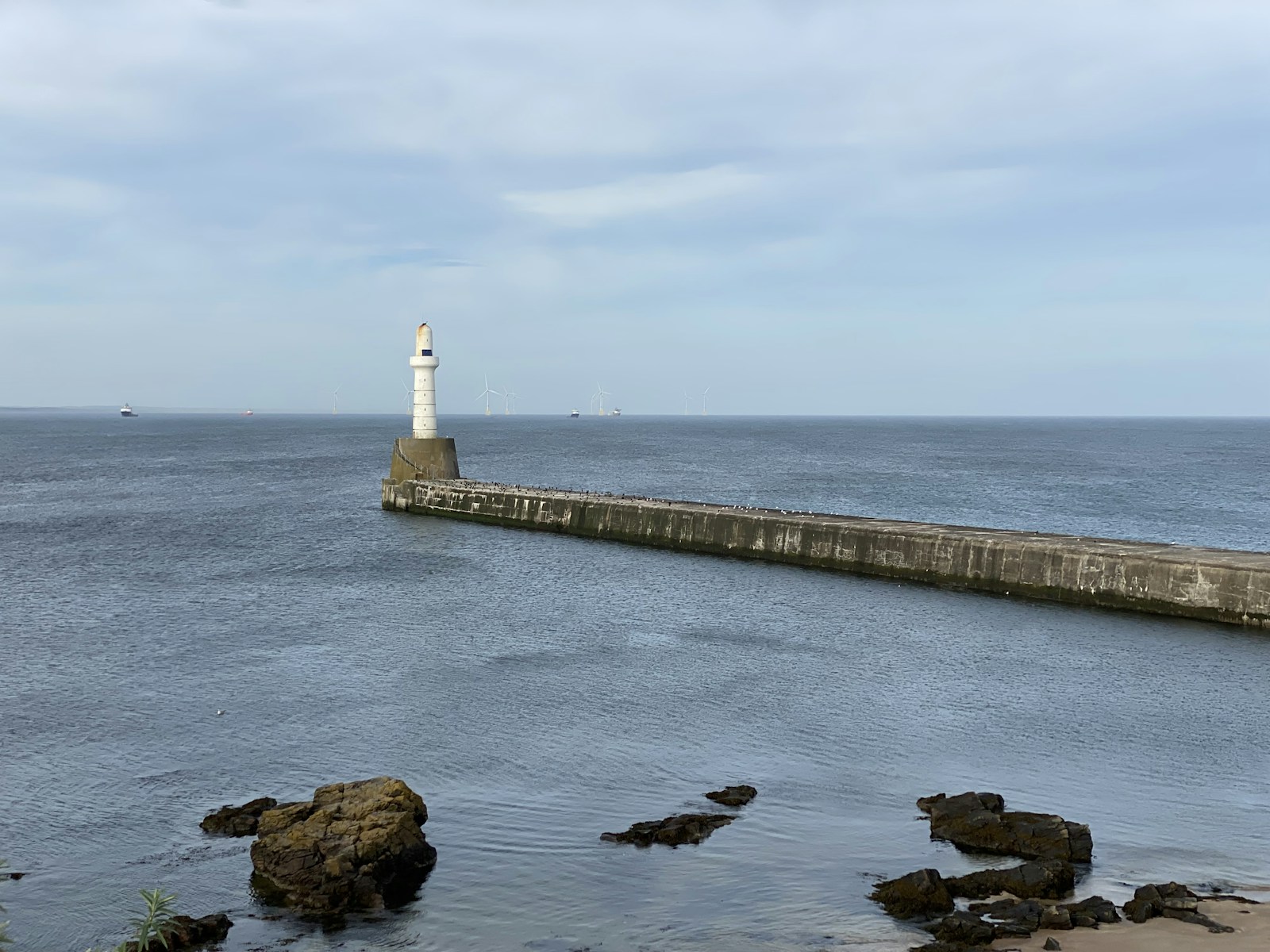
Aberdeen, Scotland
9.3/10Before: no levy. After: 7% of the accommodation charge, the highest rate in the UK. The council gives 1 April 2027 as the earliest start date. It applies to guests in hotels, B&Bs, hostels and holiday lets for every paid night; parking, breakfasts and other extras are outside the base.
What it adds: at the council's average room price of £70 that is £4.90 a night, or about £34 for a couple sharing a room for a week. In a £120-a-night hotel it becomes £58.80 for seven nights. The council decision does not mention a cap on nights.
Pros: revenue goes to business and leisure events, a Convention Bureau fund, events at the P&J Live arena (TECA), and culture, sport and arts funds. Guests who receive disability-related benefits are exempt.
Cons: a percentage rate climbs with room prices, so festival and conference peaks will hurt most. Local business media called the council's decision controversial.
Photo: Jamie McLennan / Unsplash. - 2
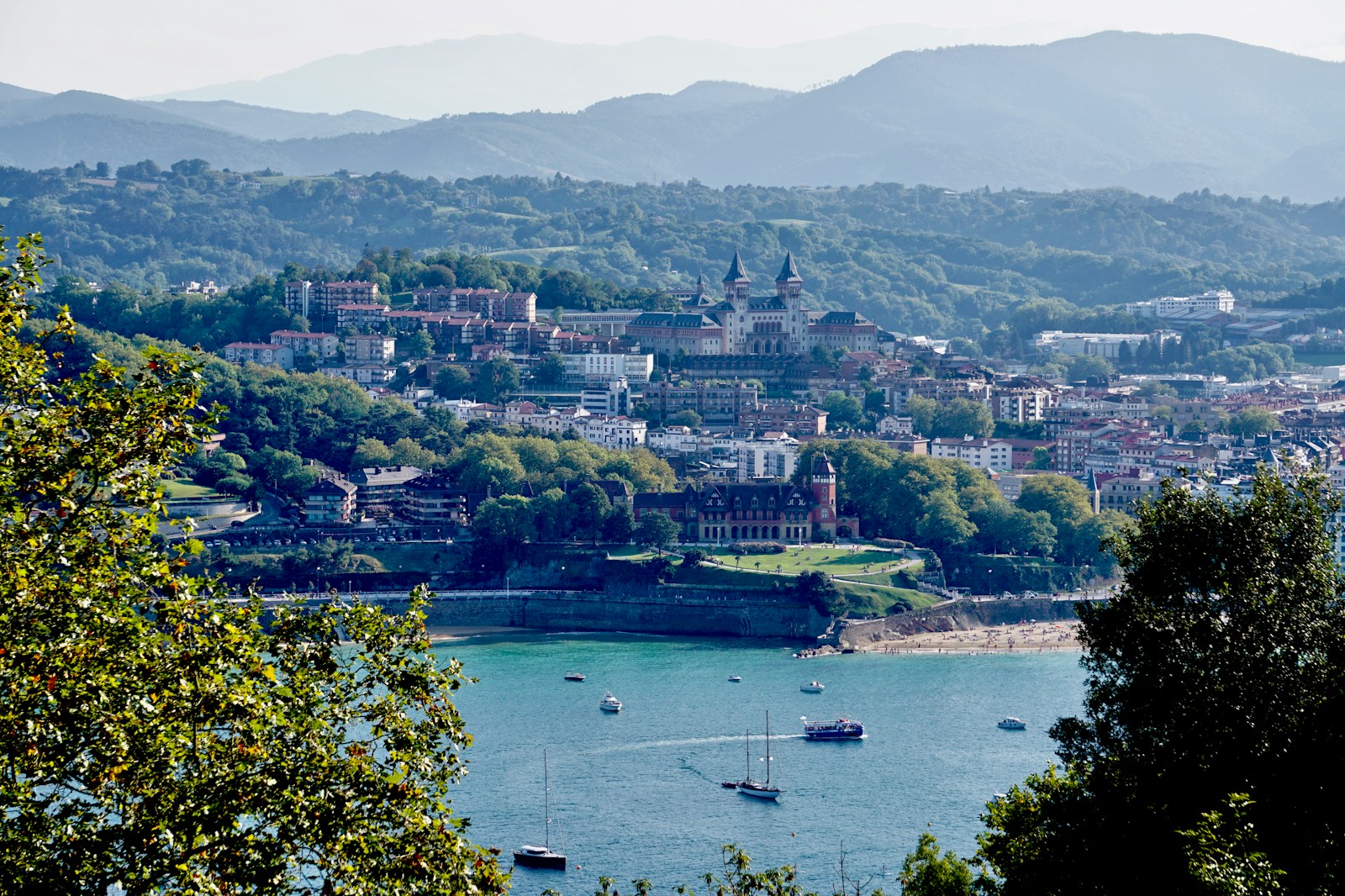
Basque Country: San Sebastián and Bilbao
9.0/10Before: no tax. After: an overnight stay tax from 1 January 2027, within ranges set by each province. Bilbao's plenary approved its rates on 24 September 2026: €5 per person per night in five-star hotels, €4 in four-star, €2 in three-star, €1 in hostels and campsites, and €6.50 in tourist flats. San Sebastián goes for the maximum: €6.50 for top-category hotels and tourist flats.
What it adds: the tax is charged for no more than 6 consecutive nights. A couple in a four-star hotel in Bilbao will pay €48 for a week, and €78 in a San Sebastián tourist flat. Under-18s are exempt.
Pros: San Sebastián says the money will fund public services, cleaning, mobility, safety and heritage protection. Rural houses and agritourism pay €0.50 to €1.25 a night.
Cons: a region that was tax-free for visitors jumps straight to Catalan levels at the top end. Final rates in some towns still depend on municipal ordinances.
Photo: Quick PS / Unsplash. - 3
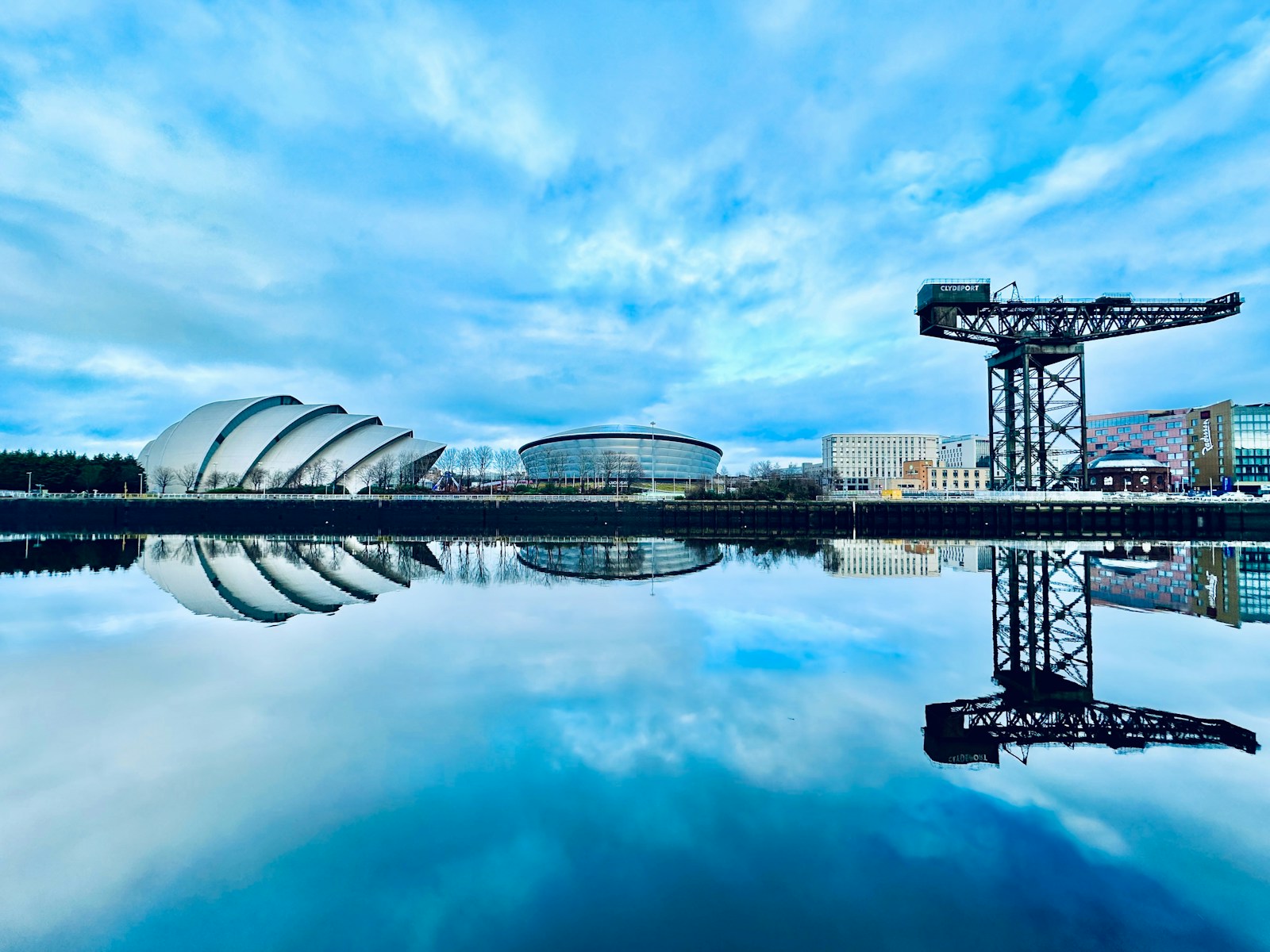
Glasgow, Scotland
8.6/10Before: no levy. After: 5% of the overnight accommodation cost from 25 January 2027. It covers hotels, hostels, guest houses, B&Bs and self-catering, and applies to every night of the stay: unlike Edinburgh, the council has not set a five-night cap.
What it adds: the average estimate cited by STV is £4.83 a night, or about £34 for a couple sharing a room for a week. In a £120-a-night hotel it comes to £42.
Pros: the city expects around £16m a year after costs and is setting up a forum with the tourism industry to advise on spending.
Cons: with no cap on nights, a longer stay costs more than in the capital. The council has not yet published a detailed list of what the money will fund.
Photo: Phil Reid / Unsplash. - 4
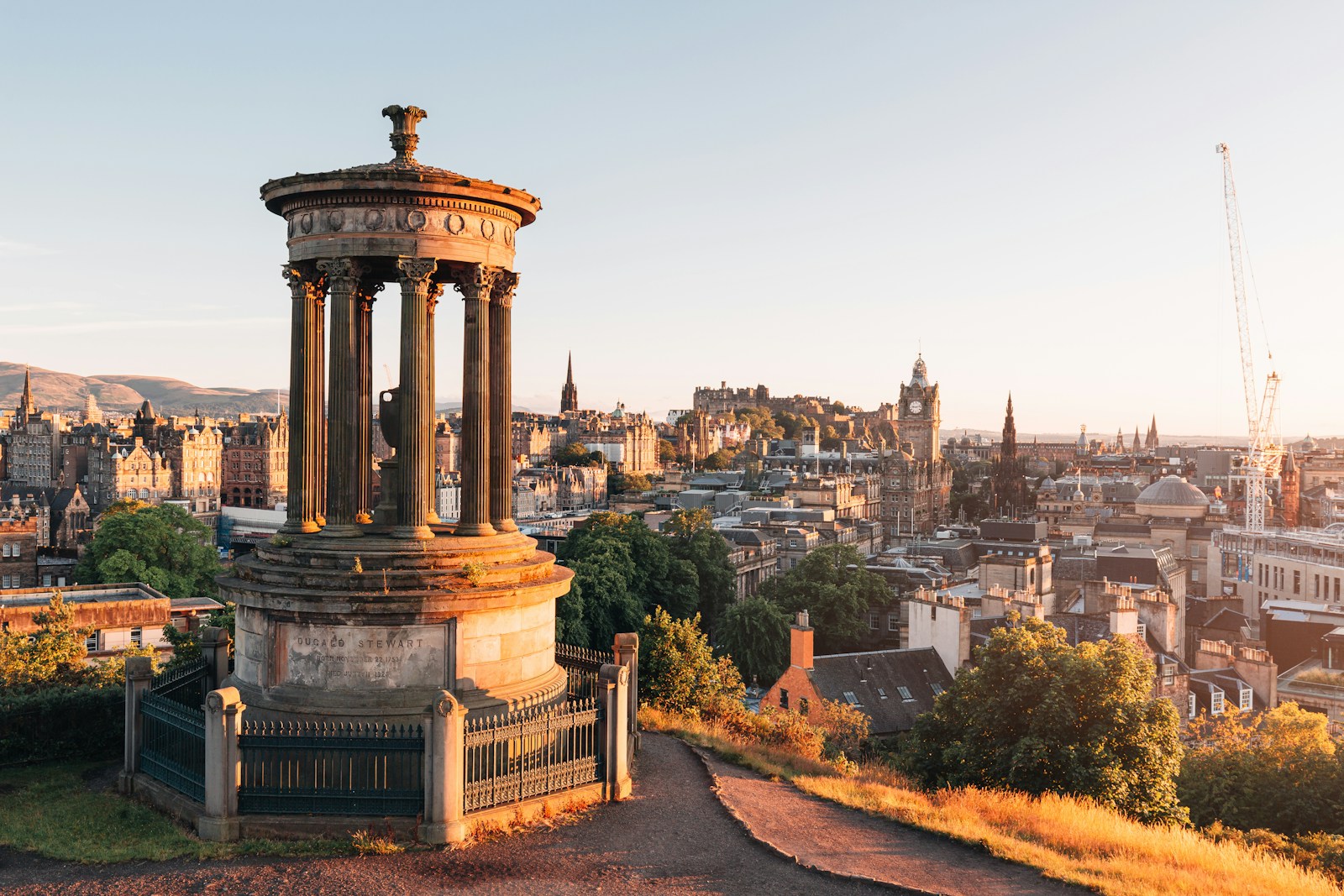
Edinburgh, Scotland
8.2/10Before: no levy. Now: 5% of the accommodation cost before VAT, for stays from 24 July 2026 booked on or after 1 October 2025. It is the UK's first city-wide visitor levy, and UK residents pay it too.
What it adds: only the first 5 consecutive nights are charged. In a £150-a-night room a couple pays £37.50 for a week, and the amount stops growing after that. Breakfast, parking and transport are outside the base.
Pros: the council forecasts £100m by 2030 and promises extra street cleaning, a city centre policing unit, upgraded public toilets, parks, support for cultural and heritage sites, and money for housing measures.
Cons: Edinburgh is already one of the priciest places to stay in Britain, and during the August festivals room rates, and the levy with them, multiply.
Photo: Connor Mollison / Unsplash. - 5
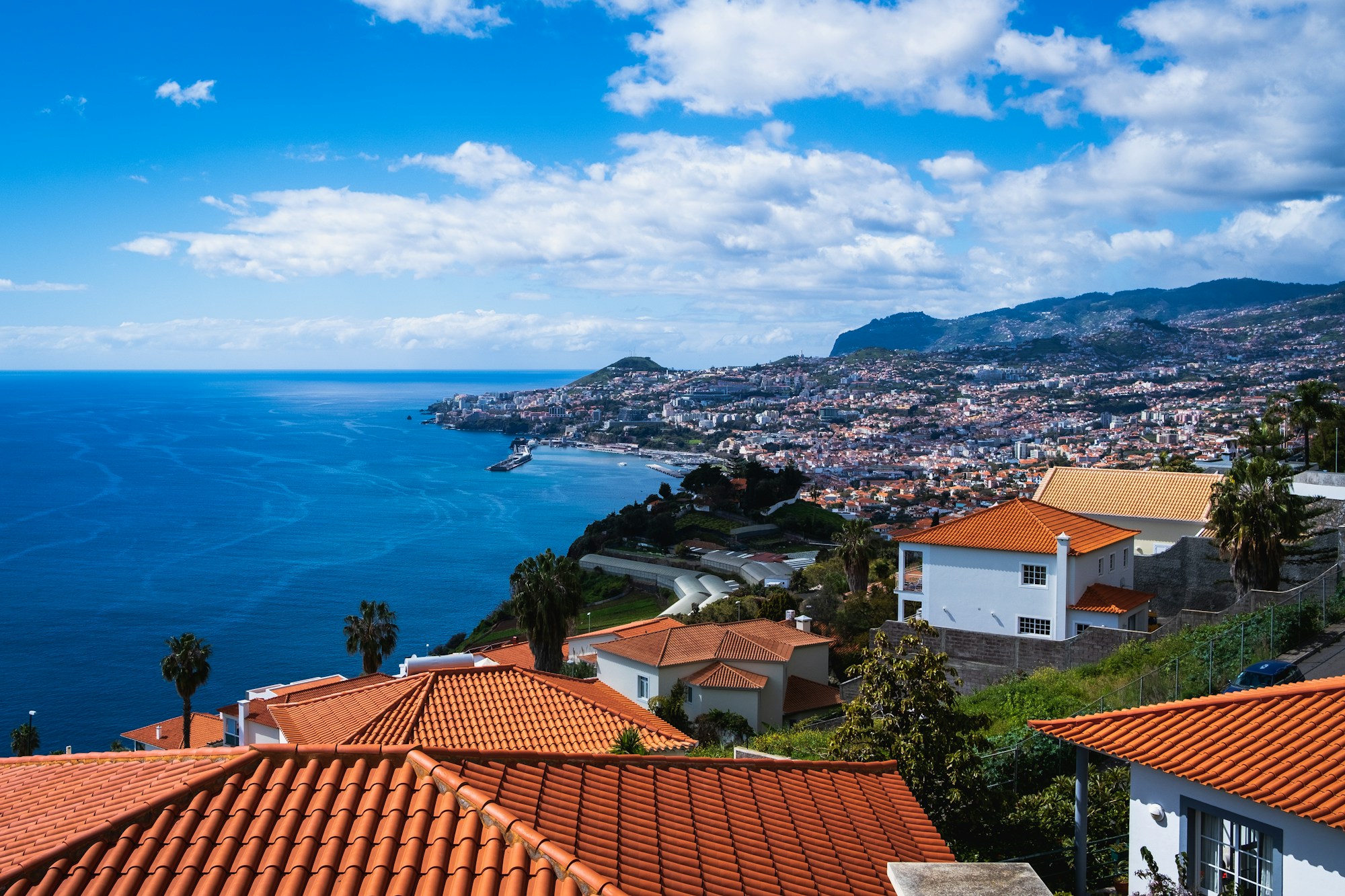
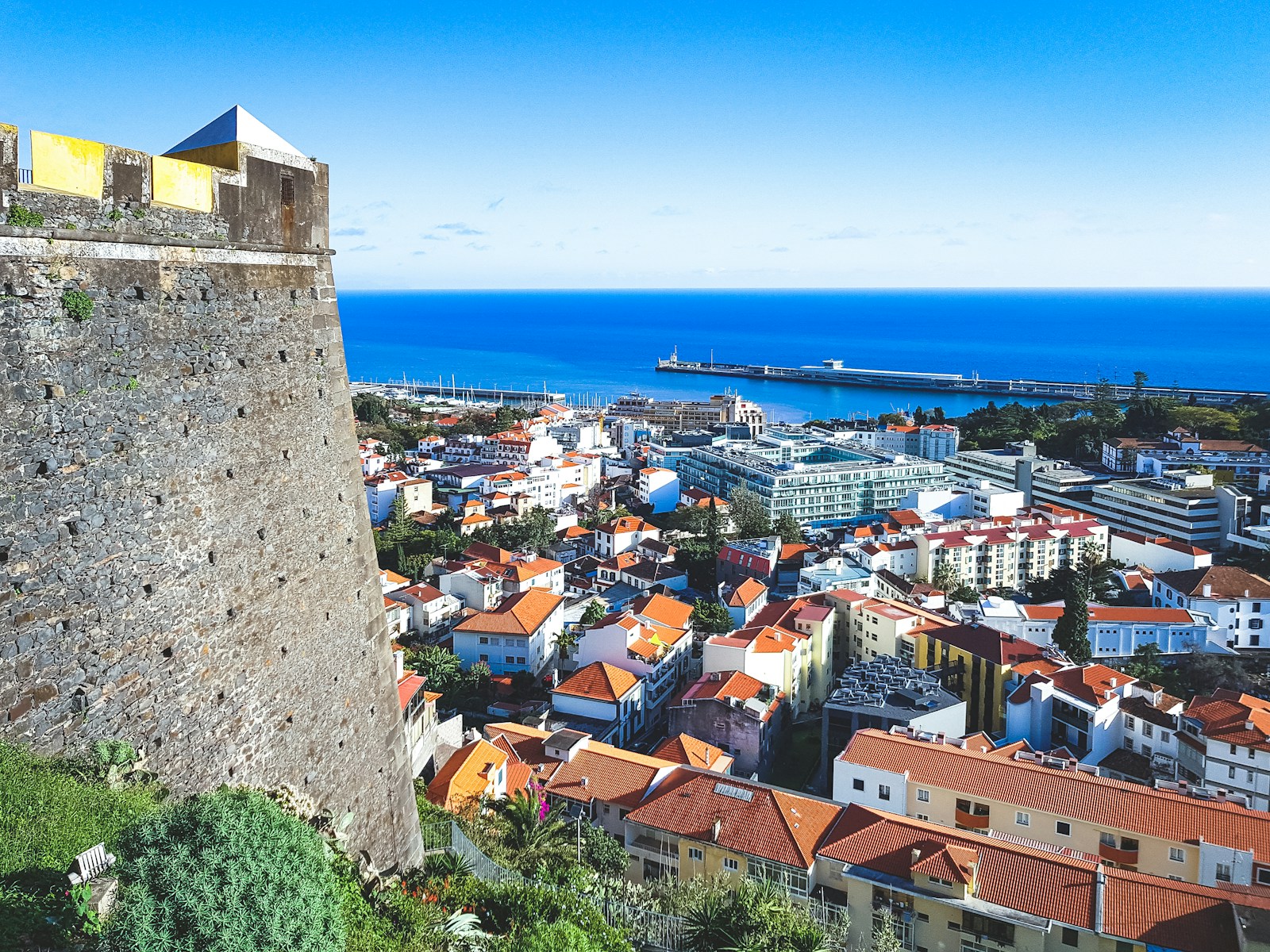
Funchal, Madeira
8.0/10Before: €2 per person per night. After: €4 from January 2027. The council approved the doubling unanimously in early October 2026. The tax applies to a maximum of 7 nights. Santa Cruz (the airport area) and Porto Santo are also going from €2 to €4, and Porto Moniz is introducing a new €2 charge.
What it adds: a couple will pay €56 for a week instead of €28, an extra €28.
Pros: the council says the money will go to street cleaning, water supply, roads and culture. New exemptions cover people stranded in Funchal by airport disruption and patients travelling for treatment with one companion. The cruise passenger charge stays at €2.
Cons: according to Deep Arrival, fees for non-residents on popular hiking trails such as Pico Ruivo also rise from April 2027. The local chamber of commerce, ACIF, opposed the doubling and wants an account of how the money is spent.
Photo: Dimitry B / Unsplash. - 6
Barcelona, Spain
7.6/10Before: the Catalan tax plus a €5 city surcharge per person per night (in place since April 2026, when Barcelona's base rates doubled). After: from 1 April 2027 the surcharge rises to €6, then by €1 a year to €8 in 2029. The nightly total becomes €9.40 in a four-star hotel, €13 in a five-star and €10.50 in a tourist flat.
What it adds: the tax is charged for up to 7 nights, and guests aged 16 or younger are exempt. A couple in a four-star hotel pays €131.60 for a week instead of €117.60, an extra €14; in a five-star it is €182.
Pros: 25% of the Catalan tax goes to housing policy and the rest to a municipal tourism fund; the city surcharge pays for public transport, safety and climate projects. Registered Catalan youth hostels pay a base €1.
Cons: the increase itself is modest, but Barcelona already has one of Europe's highest rates and it will rise twice more. Booking early does not lock in the old rate: what counts is when the tax is paid.
Photo: Boris Hadjur / Unsplash. - 7
Tromsø, Norway
7.4/10Before: Norway had no tourist taxes. After: a 3% "visitor contribution" on the overnight price excluding VAT from 1 January 2027. In late October 2026 the Ministry of Trade, Industry and Fisheries approved it for the first three municipalities: Tromsø, Vågan and Stranda. Tromsø plans to collect it all year round.
What it adds: 30 kroner for every 1,000 kroner of room price. A couple spending a week in a 2,000-kroner room pays an extra 420 kroner. It applies to stays of up to 30 consecutive days, including on Kvaløya and Sommarøy.
Pros: the money goes to public toilets, rescue services, waste collection, signage, transport and trail maintenance, exactly where winter aurora tourism strains the city most.
Cons: Tromsø is already one of Scandinavia's most expensive winter destinations. There is no exemption for business travellers or conference delegates.
Photo: Harry Jaschhof / Unsplash. - 8
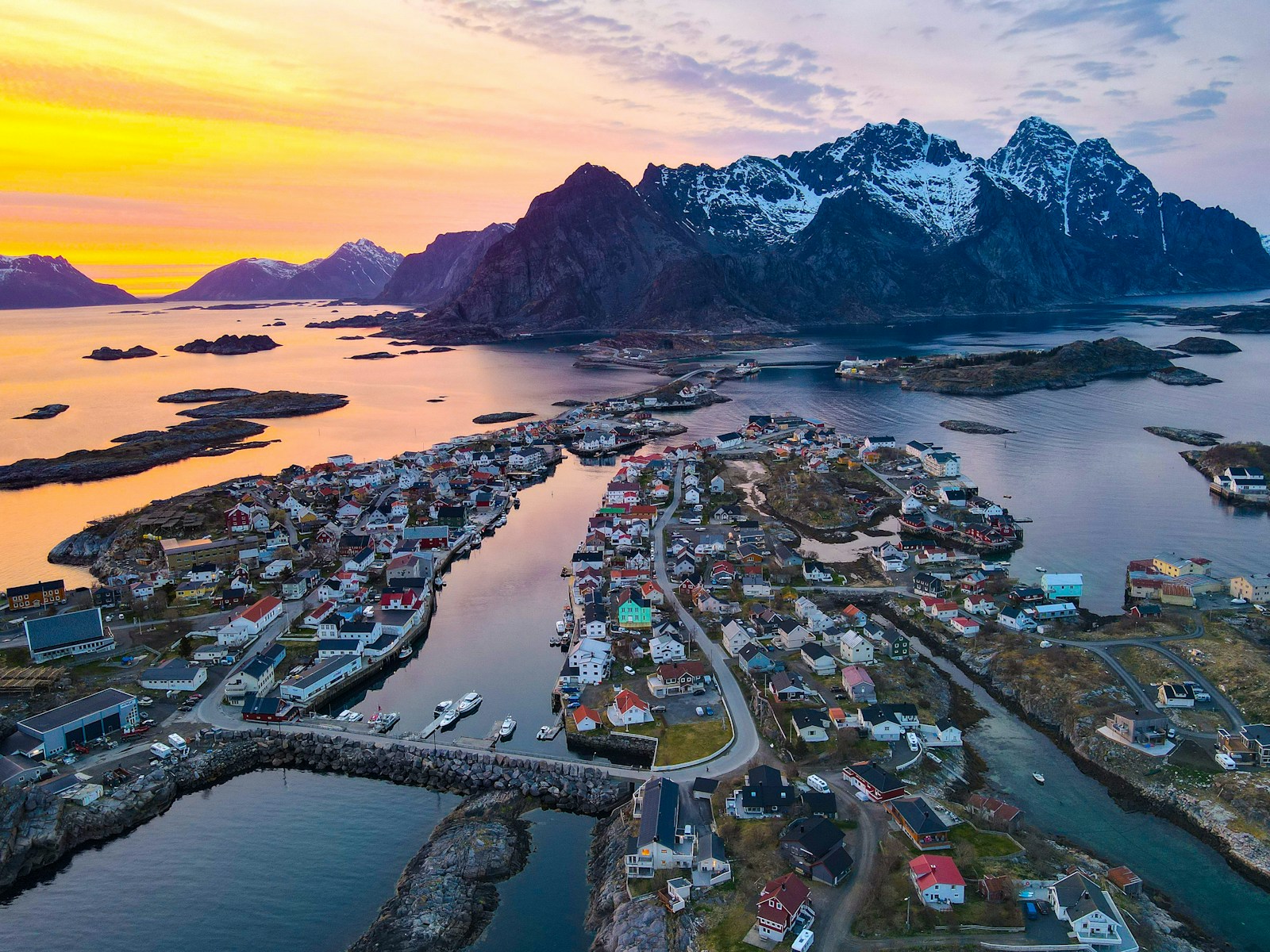
Lofoten: Vågan (Svolvær, Henningsvær)
7.0/10Before: no tax. After: the same 3% of the overnight price excluding VAT. Vågan, Lofoten's largest municipality covering Svolvær, Kabelvåg and Henningsvær, was approved by the ministry together with Tromsø, with a planned start on 1 January 2027. The six island municipalities are working on a coordinated scheme.
What it adds: a week in a 2,500-kroner-a-night rorbu cabin costs a couple about 525 kroner more. Stays booked before the tax took effect are still taxable.
Pros: the regional plan puts potential Lofoten revenue at 40 to 50 million kroner a year, and the law requires it to be spent on tourism infrastructure and trails that suffer from summer crowds.
Cons: according to Forbes, six hotel operators asked for a one-year delay, and collection and control systems are still being built. The government only aims to start the cruise charge, up to 100 kroner per passenger per day, in the first half of 2027, so hotel guests may start paying first.
Photo: Richard Hatleskog / Unsplash.  9
Cardiff, Wales
6.6/10Before: no levy. After: Wales's first visitor levy from 1 April 2027. It is a flat rate: £1.30 per person per night in hotels, guesthouses, B&Bs and self-catering (£1.56 with VAT where the provider is VAT-registered), and 75p on campsites and in hostels. It applies to stays of up to 31 nights.
What it adds: a couple pays £18.20 for a week in a hotel, or £21.84 with VAT. Travel and Tour World calculates £13 before VAT for five nights.
Pros: a flat charge does not climb with room prices, so it stays the same on match and concert days at the stadium. Revenue goes to the visitor experience, the cultural offer and sustainability, with a partnership forum advising on spending.
Cons: children in hotels pay the same as adults. There are no exemptions as such: carers of disabled people and people fleeing violence can only claim a refund from the Welsh Revenue Authority.
Photo: Richard Szwejkowski / Wikimedia Commons, CC BY-SA 2.0.- 10
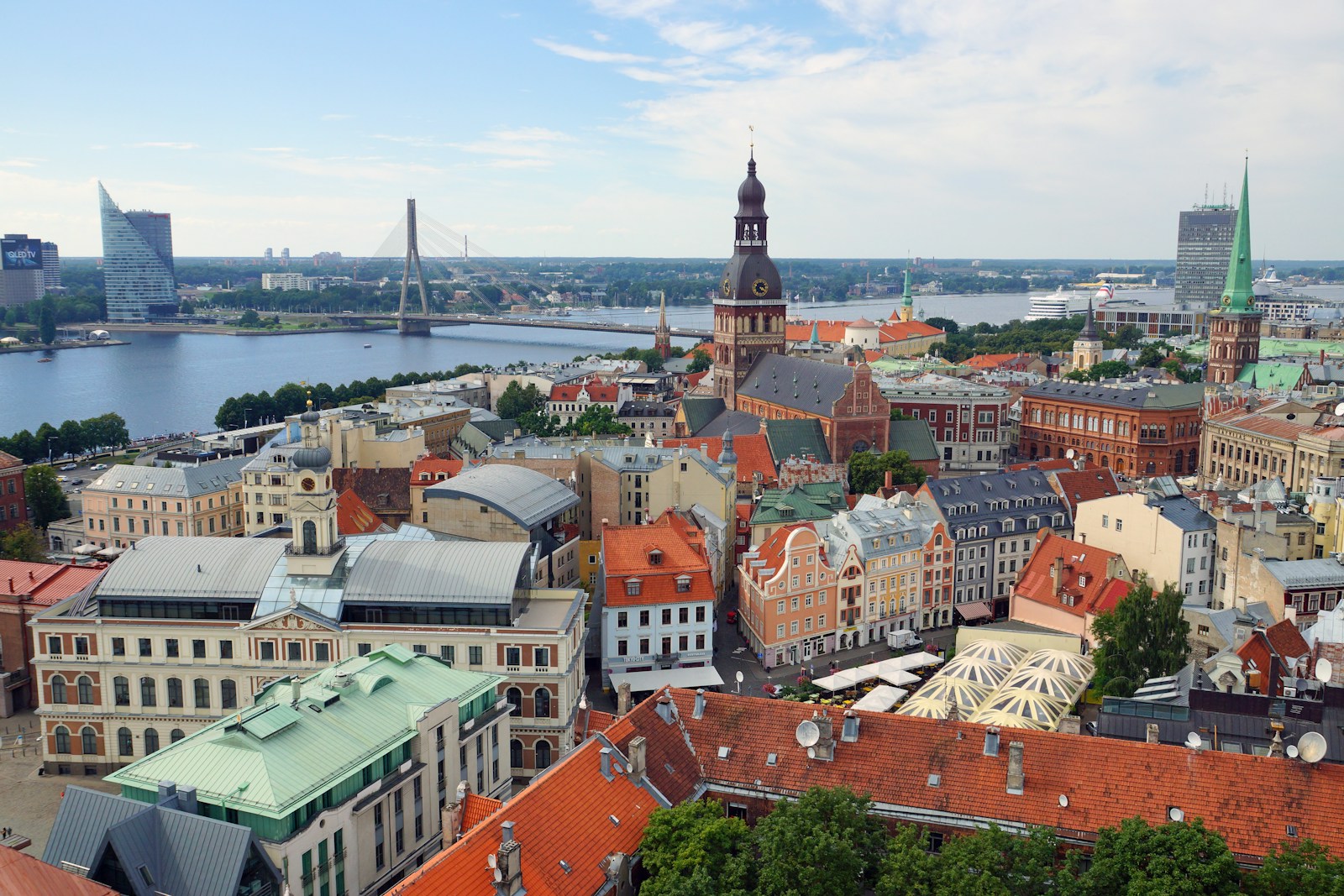
Riga, Latvia
6.2/10Before: €1 a night, one of the lowest tourist taxes in Europe. After: €2 a night including VAT from 1 January 2027. The city council voted on 8 July 2026. The total for one continuous stay cannot exceed €17.80.
What it adds: a couple pays €28 for a week instead of €14, an extra €14. Even after doubling, Riga is level with Vilnius, Kaunas and Palanga, which also charge €2.
Pros: the extra money goes to marketing Riga, business tourism and the Live Rīga congress bureau, which is meant to bring international conferences in the weak winter season. Latvian media report that the industry backed the change.
Cons: in percentage terms it is the steepest rise in the ranking, even if in cash it is the smallest. For budget travellers who pick Riga for its prices, it is one more small but visible line on the bill.
Photo: Martti Salmi / Unsplash.


Share
Read next

Lufthansa pilots strike threat: union ends pay deal ahead of Christmas
A Lufthansa pilots strike is possible again: Vereinigung Cockpit ended the pay deal for 5,000 pilots. What it means for Frankfurt and Munich flyers.
London, Paris and Edinburgh top Europe's Christmas and New Year cities
Europe's top 10 cities for Christmas and New Year by TUI Musement search data: London, Paris, Edinburgh, Vienna, Strasbourg. 2026 market dates, pros, cons.
EES hit travel harder than the Iran war, and €20 ETIAS still has no launch date
Tour operators say EES hit travel harder than the Iran war, while the €20 ETIAS still has no launch date. What Ukrainian and UK travellers should do in 2027.
Comments 0
No comments yet. Be the first!