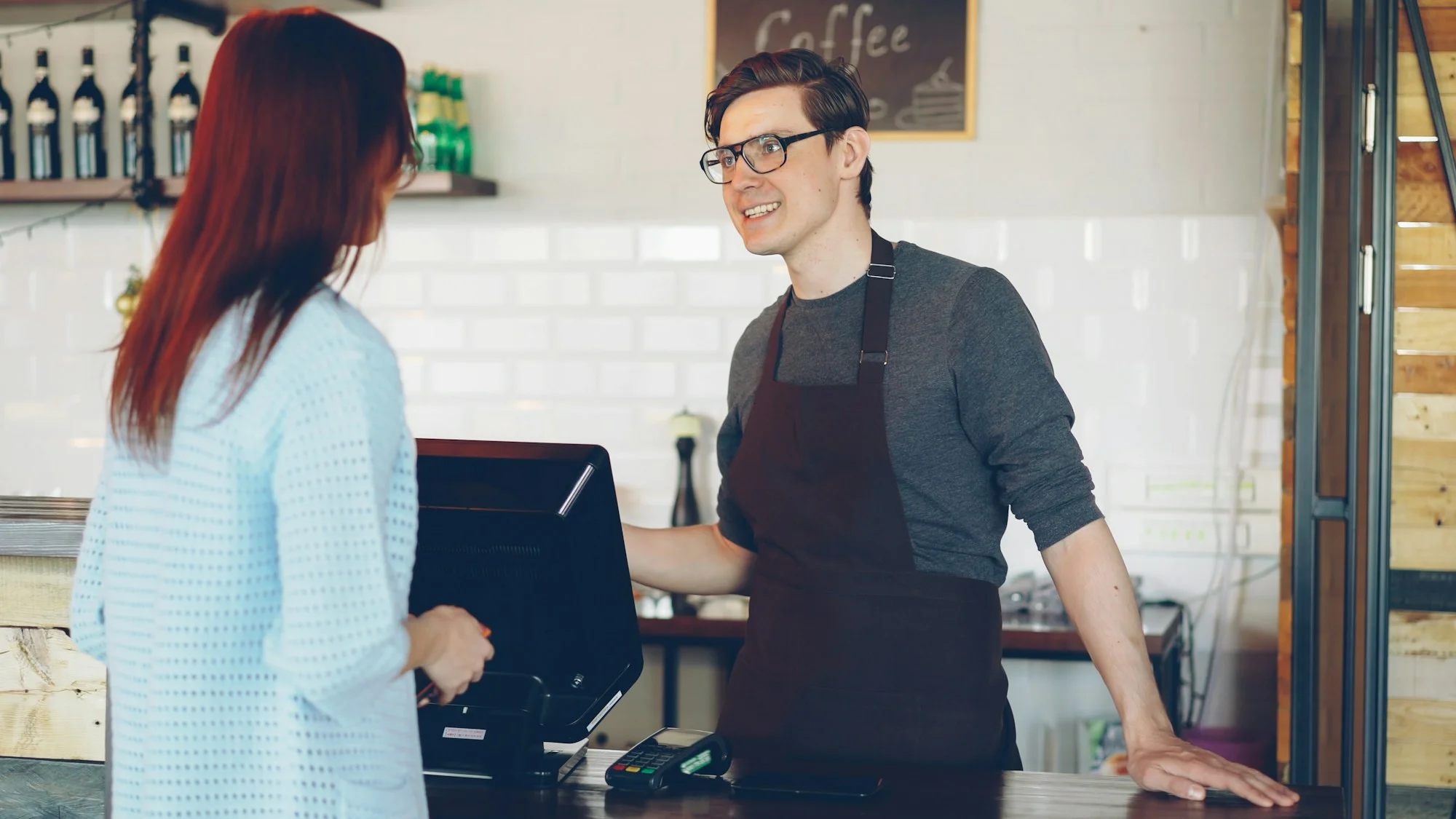
In short: The "proximity shift" is Foresight Factory's name for a growing pull towards familiar places, repeated encounters and small circles of trust. Young people are living it through the TikTok trend "regularmaxxing": deliberately becoming a regular at one local café or bar. The driver is loneliness, which the agency says affects 37% of people worldwide and 41% of Gen Z.
What is the proximity shift, and where do the numbers come from?
The term comes from Foresight Factory's November 2026 trends report, published on 2 November by analyst Emily Cullen. The idea is simple: people increasingly value places they know and faces they see often, rather than novelty for the feed.
The figures are stark. 37% of consumers globally say they feel lonely, rising to 41% of Gen Z, 42% of Americans and one in two South Koreans. Only 16% of people across nine markets say they socialise as much as they would like, and 84% name at least one barrier, with cost the most common.
The neighbourhood matters more, too. In 2026, 49% of consumers across 22 markets rated the area they live in as important to their identity, up from 43% in 2021. Indonesia leads at about 68%; most European and North American markets sit between 43% and 51%.
What is regularmaxxing, and why is it on TikTok?
Regularmaxxing is Gen Z slang that took off in early 2026. It means levelling yourself up to regular status: the same café, the barista who knows your name, your seat, your "usual".
Citing Business Insider, Foresight Factory points to a 6 January 2026 post by @dennismuellr declaring that "regularmaxxing changed my life". He described free orders for friends, off-menu drinks and a community of regulars in New York, Cape Town and Barcelona. He also tips 30–50%, so his experience is hardly typical.
Business Insider framed the goal as finding "their own version of Central Perk or Cheers". By its definition, a regular is someone who goes three or four times a month and whose order the staff might remember.
Why are young people looking for a "third place" now?
Sociologist Ray Oldenburg coined "third place" for the space between home and work. Those spaces are shrinking: higher rents, remote work, on-demand entertainment at home and falling religious and civic participation. Foresight Factory also notes that the share of Americans hosting friends or family at home at least monthly has fallen from 42% to 12% since 1975.
The local café fills the gap. An OpenTable report released at the end of September 2026 found that 39% of Gen Z diners consider a local restaurant their "third place", against 23% of US diners overall, and 88% say restaurants are important to building a sense of community. Ripple Research surveyed 1,501 diners and 355 restaurant workers.
Trust plays a part. In the 2026 Edelman Trust Barometer (27 countries), 29% of people said they gained trust in neighbours, friends and family after major societal events, while 18% lost it. For national government leaders it was the reverse: 24% gained, 40% lost.
Does a quick chat with your barista really make you happier?
Yes, and there is an experiment to prove it. In 2014, psychologists Gillian Sandstrom and Elizabeth Dunn gave 60 customers outside a Vancouver Starbucks gift cards. One group was told to be as efficient as possible; the other to smile, make eye contact and have a short conversation with the barista. The chatty group reported a better mood and a stronger sense of belonging.
In another Sandstrom study, participants counted their interactions with close ties and "weak ties", such as acquaintances and strangers, for six days. On days with more weak-tie encounters, they were happier.
The stakes are real. A 2025 WHO report linked loneliness to more than 871,000 deaths a year, and found that 17–21% of people aged 13 to 29 feel lonely.
How do you become a regular?
Pick one place close to home. A café five to ten minutes' walk away beats a trendy spot across town.
Go at the same time. Staff and other customers notice rhythms. Business Insider's benchmark is three or four visits a month; weekly is better.
Choose quiet hours. Nobody chats during the 8am rush; mid-morning or mid-afternoon works.
Introduce yourself and learn the barista's name. Sandstrom's advice: eye contact, a smile, a little chat.
Put your phone away at the counter. Conversation starts when you look at the person, not the screen.
Support the place. Tip, leave a review, use the loyalty card, turn up for tastings or quiz nights. You do not need to tip 30–50%.
Don't camp with a laptop at peak time. Good regulars are good for business.
Don't turn it into content. Inc. columnist Jessica Stillman suggests joining the trend offline and skipping the posts.
FAQ
What does regularmaxxing mean?
It is TikTok slang for deliberately becoming a regular at a local café, bar or restaurant, so the staff know your face and your name.
How often do you need to go to become a regular?
Business Insider describes regulars as people who visit three or four times a month. Consistency and timing matter more than how much you spend.
Can being a regular help with loneliness?
Research by Sandstrom shows brief chats with weak ties lift mood and belonging. Chronic loneliness, though, also calls for deeper relationships and, where needed, professional support.


Comments 0
No comments yet. Be the first!