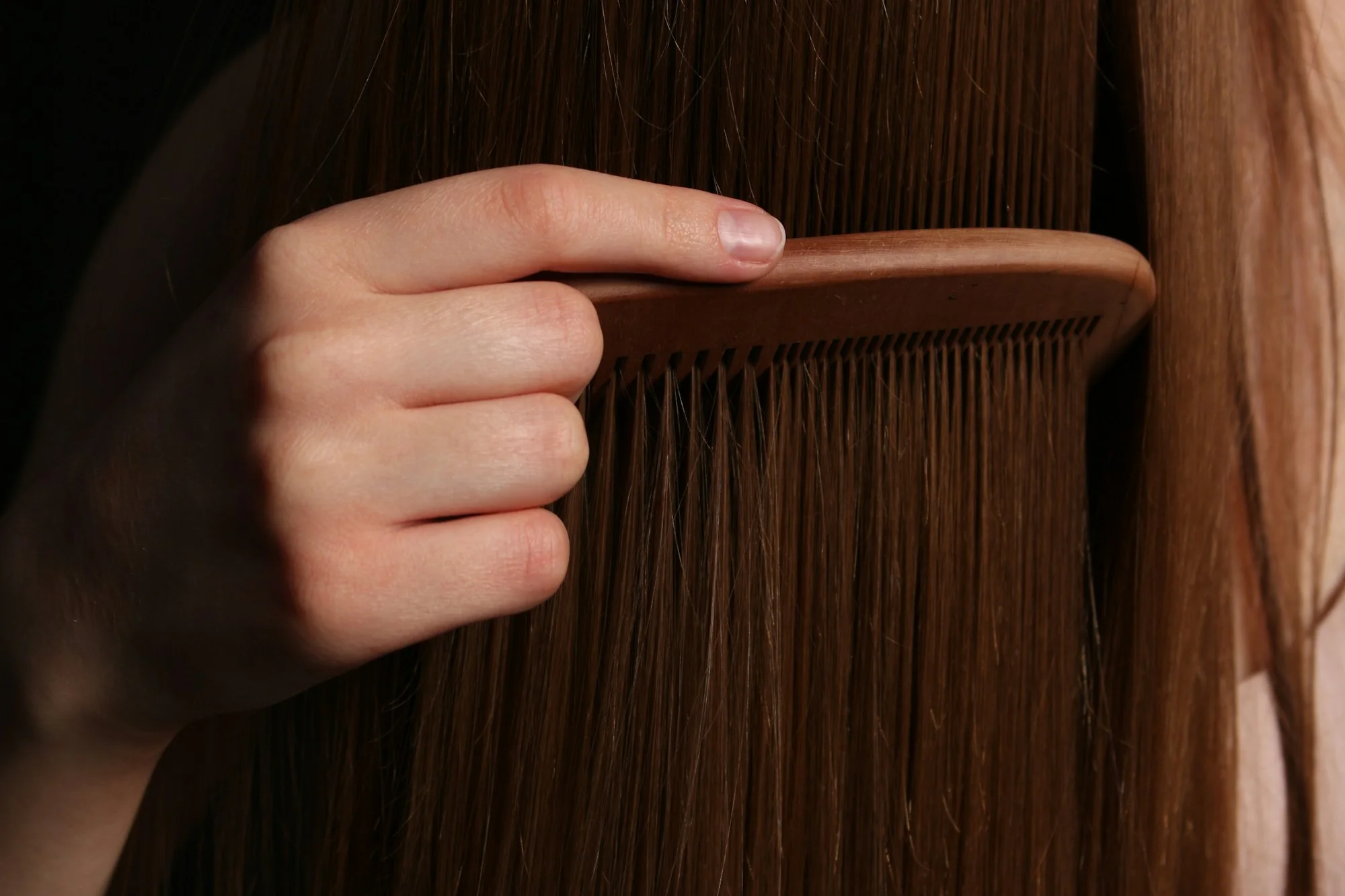
In short: Sales of the hair-loss treatment Rogaine are up 30% so far in 2026, Kimberly-Clark CEO Mike Hsu told analysts on November 5, suggesting that GLP-1 drugs such as semaglutide and tirzepatide may be behind the jump. The company has not proven the link, but research does show that people on these medications report hair loss more often.
Who reported the 30% rise in Rogaine sales?
The figure came from Mike Hsu, chairman and CEO of Kimberly-Clark, on the company's third-quarter 2026 earnings call on November 5. Asked by Piper Sandler analyst Michael Lavery about the hair care business, Hsu said he hadn't known it himself, but that Rogaine "may be driven by some GLP-1 adoption" and was up 30% year to date. The company did not disclose dollar sales for the brand.
Rogaine came to Kimberly-Clark with Kenvue, a deal valued at about $48.7 billion that closed on November 2, 2026. So the 30% describes a brand that spent most of the year under Kenvue. Bloomberg, followed by Global Cosmetics News, stressed that a direct link between GLP-1 use and the sales growth has not been established. Hsu also singled out OGX shampoo as performing "very well."
Do Ozempic, Wegovy and Mounjaro cause hair loss?
Hair loss shows up in the official trial data. According to the Wegovy (semaglutide 2.4 mg) label, 3% of patients reported alopecia compared with 1% on placebo. For tirzepatide (Mounjaro, Zepbound), weight-loss trials recorded rates of 4% to 5.7% versus roughly 1% on placebo, with women affected far more often than men.
In February 2026, JAAD International published a retrospective study by dermatologists at George Washington University, led by Savanna Vidal with Adam Friedman among the co-authors. Using TriNetX data from 2014 to 2024, they compared GLP-1 receptor agonist users with matched patients who were not on the drugs. At 12 months the adjusted odds ratio was 1.76 for telogen effluvium, 1.64 for androgenetic alopecia and 1.40 for nonscarring hair loss overall.
Why does hair fall out on GLP-1 drugs, and what does rapid weight loss have to do with it?
Most doctors attribute the effect to telogen effluvium, a disruption of the hair growth cycle. A major physical stress, including rapid weight loss, pushes a larger share of follicles into the resting phase, and noticeable shedding starts around two to three months later. The TriNetX authors write that the mechanism remains unclear: rapid weight loss, nutritional changes or the drugs themselves could all play a part. As endocrinologist Anne Peters of the University of Southern California put it back in 2023, it is hard to separate the effect of weight loss from the effect of the medication.
Telogen effluvium usually resolves on its own, with hair recovering within six to twelve months once weight stabilizes. Hair loss has many possible causes, though, so if it worries you, consult your doctor.
How are brands responding to demand for hair loss treatments?
Bloomberg reports that Rogaine holds about 9% of the global hair loss prevention market, which Future Market Insights values at around $10 billion in 2025 and expects to reach $23 billion by 2035. VeraDermics and Pelage Pharmaceuticals are developing stronger hair loss therapies, and according to Bloomberg, Eli Lilly and Novo Nordisk, the makers of GLP-1 drugs, have signaled interest in the space.
Supplement makers have noticed too. NutraIngredients reported that Amazon searches for hair growth rose from about 800,000 in the third quarter of 2025 to 2.5 million in the second quarter of 2026, and UK retailer Holland & Barrett now includes hair formulas in its online range for GLP-1 users. NielsenIQ cautions that the growth is not necessarily driven by GLP-1s themselves, since rapid weight loss or poor nutrition can also be behind it.
FAQ
Is it proven that GLP-1 drugs boosted Rogaine sales?
No. Kimberly-Clark's CEO only suggested the link, and Bloomberg and trade publications note that a direct connection has not been established.
Is hair loss on semaglutide or tirzepatide permanent?
In most cases it is telogen effluvium, which typically resolves within six to twelve months after weight stabilizes. Only a doctor can assess an individual case.
Should I start a hair loss treatment on my own while taking GLP-1 drugs?
It is better not to without a specialist, because hair loss can stem from many causes, from nutrient deficiencies to hormonal changes. Consult your doctor.

Comments 0
No comments yet. Be the first!