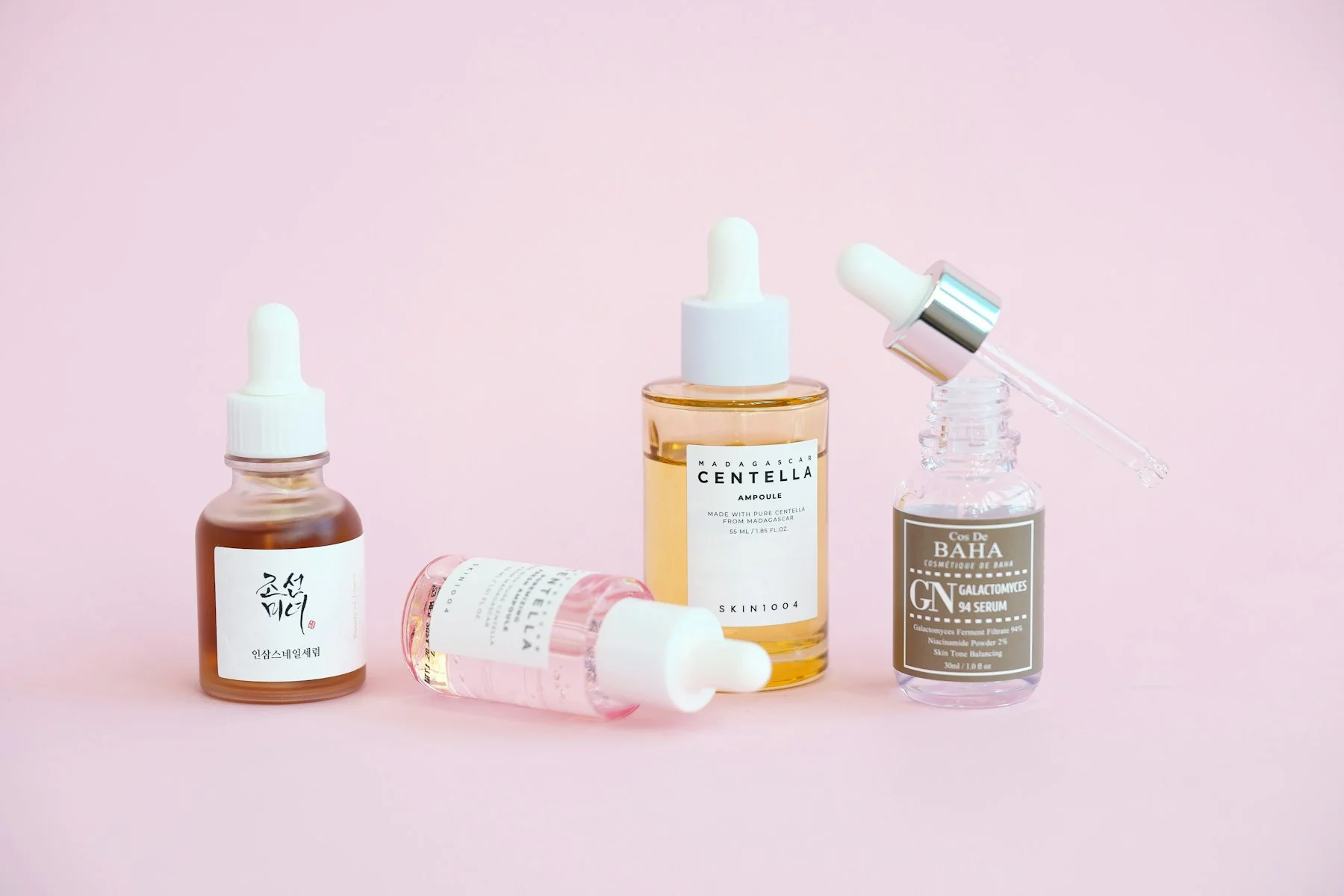
In short: After niacinamide and retinol, shoppers are moving on to azelaic acid, the newly FDA-approved sunscreen filter bemotrizinol, PDRN ("salmon DNA"), the copper peptide GHK-Cu, hypochlorous acid sprays, astaxanthin, tranexamic acid and ectoin. Here are the eight trending skincare ingredients, what each one does, who it suits and where it falls short.
Why are people searching for these ingredients now?
TikTok is still the engine. Citing Charm.io data, agency New Engen reports that skincare sales on TikTok Shop reached $844.1 million in the 12 months to June 2026, up 123% year on year. A short clip about a "miracle" ingredient now moves product faster than a shop assistant's advice.
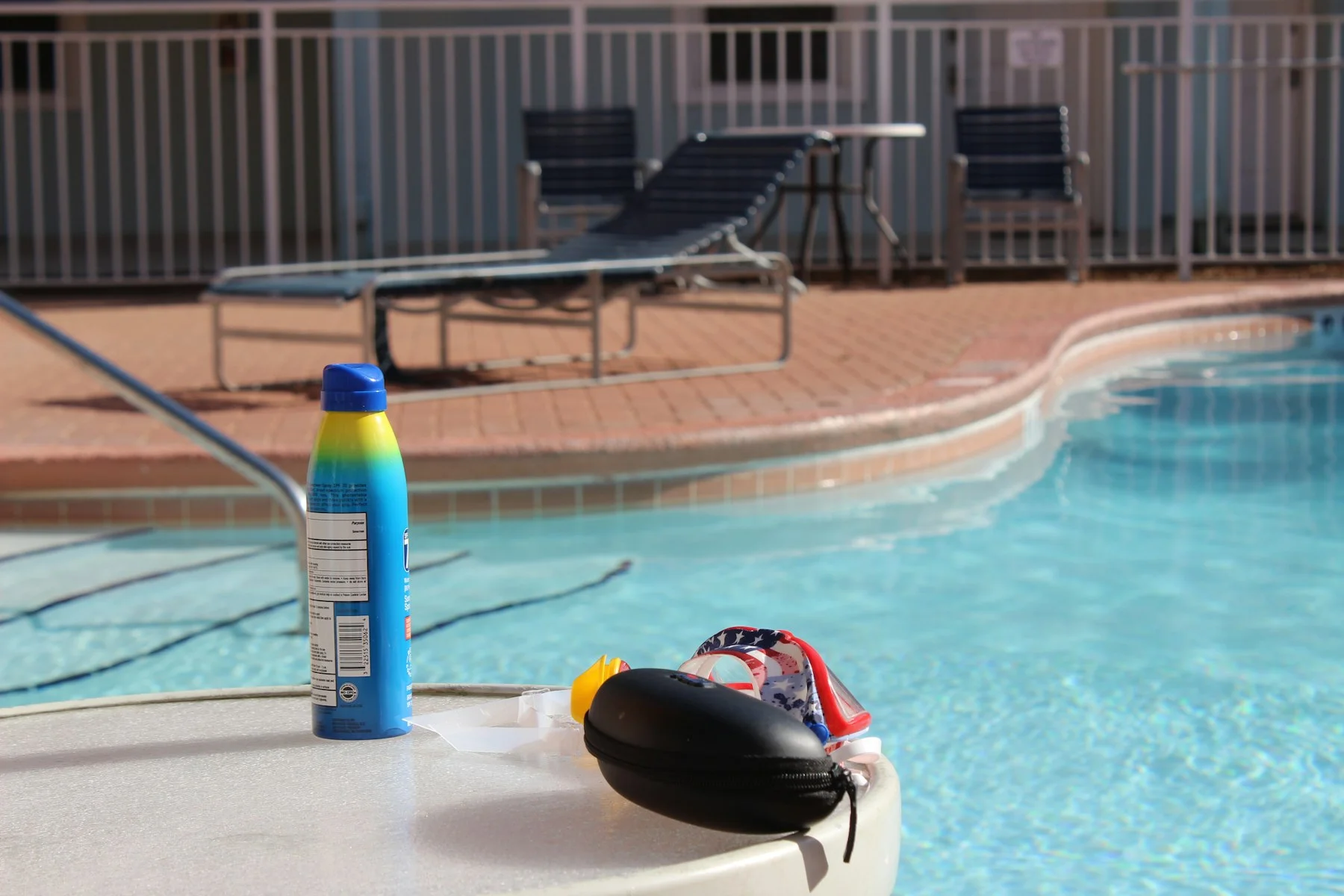
Regulation and medicine matter too. In 2026 the FDA approved bemotrizinol, the first new active sunscreen ingredient for the US over-the-counter market in 27 years (Stanford Medicine, Consumer Reports). Meanwhile prescription azelaic acid creams such as Skinoren 20% and Finacea 15% are in short supply, pushing people toward 10% over-the-counter versions, The Nod Mag reported on 9 November 2026.
Where do the trend numbers come from, and can you trust them?
Most figures here come from the search tracker Rising Trends (updated 9 November 2026, October data). It puts azelaic acid at about 450,000 searches a month, astaxanthin at about 301,000 (+307% year on year), hypochlorous acid spray at about 201,000 (+79%) and GHK-Cu at about 165,000. We found no independent second source for these exact numbers, and some figures differ between sections of the tracker itself, so treat them as a direction of travel rather than hard statistics.
PDRN has a second data point: analytics firm Spate, cited by Trendalytics, recorded a 322.3% year-on-year rise in popularity, the biggest jump among skincare ingredients in its 2026 report. Search popularity, however, proves nothing about results.
How do you try a new skincare ingredient without irritating your skin?
Add one new active at a time and start low. Patch-test before the first full application. Avoid stacking strong products: dermatologists quoted by The Nod Mag and Westlake Dermatology suggest splitting acids, retinoids and peptides between morning and evening or alternate nights. Daily SPF is non-negotiable with any brightening ingredient. If you have acne, rosacea or melasma, see a dermatologist first: cosmetics are not a treatment.
FAQ
Which of these ingredients has the strongest track record?
Azelaic acid. It has long been used in prescription products at 15–20%, while over-the-counter formulas usually contain 10%.
Should I inject GHK-Cu, as some social media posts suggest?
No. There are no published human studies showing GHK-Cu injections are safe or effective, and most injectable supply comes from unregulated online sellers (NPR).
Is bemotrizinol new in Europe as well?
No. It has been used in Europe and Asia since around 2000. The 2026 news concerns the US, where the filter has finally been allowed.



Comments 0
No comments yet. Be the first!